


Sitting down at your desk with an important deadline looming while your mind feels wrapped in cotton is one of the most frustrating workplace experiences. You read the same paragraph four times, stare blankly at a simple email, and watch hours slip away while accomplishing very little.
Brain fog is not a medical condition itself; it is a symptom of cognitive fatigue, chronic stress, poor sleep, burnout, or illness. When it strikes, trying to brute-force your way through complex tasks usually leads to mistakes, anxiety, and deeper mental exhaustion.
Knowing how to focus at work with brain fog comes down to adapting your workflow for the day. Instead of fighting your low-energy state, you can apply smart strategies to maintain productivity without burning out.
Quick Emergency Guide: The 5-Minute Brain Fog Reset
If you are currently at your desk struggling to process information, pause what you are doing and try this immediate reset sequence:
-
Hydrate Immediately: Drink a large glass of cool water to reverse mild dehydration.
-
Step Away from Screens: Close your eyes or look out a window for two minutes to relieve visual strain.
-
Change Your Physiology: Do ten deep breaths or take a quick two-minute walk around your office or home.
-
Dump Your Thoughts: Grab a piece of paper and write down everything swirling in your head to clear cognitive clutter.
-
Pick One Micro-Task: Choose one easy 5-minute administrative task to build momentum.

Why Brain Fog Happens at Work
Your brain accounts for only about 2 percent of your body weight, but it consumes over 20 percent of your daily energy. When your physiological reserves are depleted due to poor sleep, high stress, or prolonged screen exposure, your executive functioning slows down.
Cognitive experts note that decision fatigue and multitasking rapidly deplete your glucose and neurotransmitter reserves. When brain fog sets in, your working memory capacity shrinks. Attempting to manage five complex projects simultaneously under these conditions is a recipe for complete mental shutdown.
7 Practical Steps to Work Productively Through Brain Fog
1. Lower the Cognitive Bar with Micro-Tasks
When your brain is functioning at full capacity, you can tackle massive, abstract projects. When you have brain fog, huge goals feel impossible, leading to stress and procrastination.
Break your workload down into ridiculously small micro-steps. Instead of adding “Write Monthly Report” to your schedule, break it down to:
-
Open the report template document.
-
Fill in the date and header information.
-
Find three numbers from last week’s traffic log.
-
Draft one single introductory bullet point.
Completing micro-tasks releases small doses of dopamine, satisfying your brain’s reward system and gradually lifting you out of mental paralysis.
2. Offload Your Memory to External Systems
When experiencing brain fog, your short-term working memory is compromised. Trying to remember four meeting times, two client requests, and a grocery list drains the limited mental bandwidth you have left.
Stop relying on mental notes. Use external memory tools immediately:
-
Write every single task down on a physical notepad or digital sticky note.
-
Set alarms and calendar reminders for routine tasks.
-
Record voice notes or use text-to-speech tools to outline ideas when typing feels too demanding.
Relying on physical or digital systems frees your mind from holding onto details so it can focus on processing the task right in front of you.
3. Switch to Low-Cognitive Administrative Tasks
Not all work hours require intense creative thinking or complex problem-solving. When you feel mentally sluggish, reorder your schedule to tackle low-energy administrative chores.
Use brain fog periods to handle:
-
Clearing out spam and filing old emails into folders.
-
Organizing digital desktop icons and cloud storage folders.
-
Updating spreadsheets, inputting data, or formatting documents.
-
Proofreading simple content or unsubscribing from junk newsletters.
Saving these mechanical tasks for low-energy hours allows you to remain productive while giving your creative processing centers a chance to rest.
4. Practice Single-Tasking in Short Sprint Windows
Multitasking is difficult on good days; on foggy days, it completely halts progress. Constantly switching back and forth between chat apps, browser tabs, and project management tools creates heavy cognitive friction.
Adopt short, focused work sprints using a modified version of the Pomodoro Technique:
-
Set a timer for 15 or 20 minutes.
-
Close every browser tab and application except the single task you need to do.
-
Work strictly on that single item until the timer sounds.
-
Take a mandatory 5-minute break away from screens.
Knowing you only have to focus for 15 minutes makes the effort feel manageable and keeps panic at bay. For long-term strategies on structuring your day, adopting daily habits for better mental clarity and workplace productivity helps prevent cognitive exhaustion before it starts.
5. Use Physical Resets to Stimulate Circulation
Mental slowness is frequently tied to physical stagnation. Sitting in a rigid posture for four straight hours reduces oxygen delivery and circulation to the brain, worsening feelings of fatigue.
Incorporate quick sensory resets into your day:
-
Temperature Shift: Splash cold water on your face or run cold water over your wrists for 30 seconds.
-
Light Movement: Do simple shoulder rolls, neck stretches, or bodyweight squats beside your desk.
-
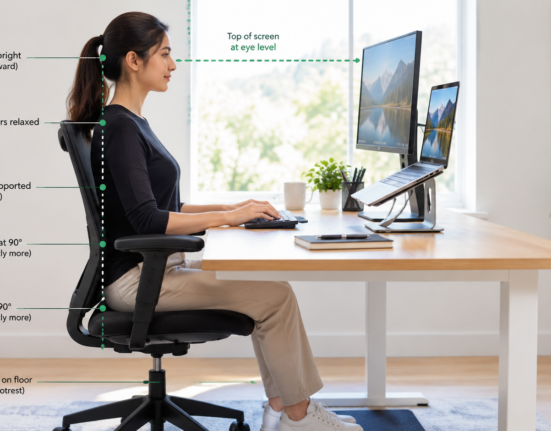
Postural Realignment: Adjust your chair so your eyes are level with your monitor, preventing neck strain that cuts off smooth blood flow.
A two-minute physical shift can clear mild brain fog faster than a second cup of coffee.
6. Protect Yourself from Sensory Overload
A noisy office or a constant stream of team messaging alerts makes brain fog significantly worse. When your brain is already working hard to process basic thoughts, background noise creates extra friction.
Reduce incoming environmental noise during foggy work blocks:
-
Put on noise-canceling headphones with ambient sounds, instrumental music, or white noise.
-
Turn off desktop notifications for non-essential communication channels.
-
Politely update your team status to “In Focus Mode,” so colleagues know you are working through critical tasks.
Minimizing sensory distractions preserves your remaining focus for the work that matters.
7. Recognize When to Log Off and Recover
There is a major difference between working through mild slowness and pushing yourself toward total exhaustion. If you have tried physical resets, task-chunking, and hydration, but still find yourself making dangerous errors or experiencing severe headaches, your body is signaling a deep need for rest.
If your work setup allows it, take a brief 15-minute power nap during your break. If you are working remotely, establishing proper boundaries is critical; reviewing simple steps to improve work-life balance in a remote environment can help you log off on time and protect your recovery hours.
What NOT to Do When You Have Brain Fog
When trying to get through a foggy workday, avoid these common mistakes that usually make fatigue worse:
-
Over-consuming Caffeine: Chugging three extra cups of coffee often leads to physical jitters and increased anxiety without improving cognitive clarity.
-
Consuming High-Sugar Snacks: Sugary energy drinks and pastries cause a rapid spike in blood sugar followed by a sharp crash that deepens brain fog.
-
Guilt-Tripping Yourself: Beating yourself up for feeling slow increases cortisol levels, which further reduces your brain’s ability to focus. Accept low-energy days as normal.
Summary Checklist for Foggy Workdays
-
Immediate Action: Drink water, step away from screens, and do a quick brain dump on paper.
-
Task Management: Break big tasks into 5-minute micro-steps and focus on administrative chores.
-
Environment: Put on noise-canceling headphones, mute chat alerts, and run short 15-minute sprint timers.
-
Self-Care: Avoid sugar spikes, stretch regularly, and log off on time to protect your sleep.
Learning how to navigate brain fog at work is about working with your capacity rather than fighting it. By lowering friction, using external systems, and protecting your energy, you can navigate low-focus days calmly and effectively.
Visit newsupto for more information on different topics.





Leave feedback about this