

How Technology Is Changing Everyday Life.
Technology has become an essential part of modern life. From smartphones and computers to artificial intelligence and smart devices, technology influences how people communicate, learn, work, shop, travel, and entertain themselves. What once seemed impossible has become a normal part of everyday life.
The rapid development of technology has created many opportunities for individuals, businesses, schools, and communities. People can communicate with others across the world within seconds, access information from almost anywhere, attend online classes, work remotely, and use digital services without leaving their homes.
However, technology also brings challenges. Excessive screen time, privacy concerns, cybersecurity threats, misinformation, and dependence on digital devices are some of the issues that modern society must consider. Understanding both the benefits and challenges of technology is important for using it responsibly.
The Growth of Modern Technology
Technology has developed significantly over the last few decades. Earlier generations depended heavily on physical documents, landline phones, newspapers, and traditional methods of communication. Today, smartphones and internet-connected devices can perform many tasks from a single screen.
The internet has been one of the biggest developments in modern technology. It has connected people, organizations, educational institutions, and businesses around the world. Information that once required hours of research can now often be found within seconds.
Cloud computing, artificial intelligence, automation, and smart devices are also changing how people interact with technology. These developments continue to create new opportunities and industries.
Technology and Communication
Communication is one of the areas most affected by technology. Messaging applications, email, video calls, and social media allow people to communicate regardless of geographical distance.
Families can stay connected even when they live in different countries. Students can communicate with teachers, and businesses can communicate with customers through digital platforms.
Video conferencing has also changed professional communication. Meetings can take place online without requiring everyone to be physically present in the same location.
However, digital communication should not completely replace meaningful face-to-face interaction. Maintaining a balance between online and offline communication is important for healthy relationships.
Technology in Education
Education has changed considerably because of technology. Students can access online courses, digital libraries, educational videos, interactive applications, and virtual classrooms.
Teachers can use presentations, educational software, online quizzes, and multimedia resources to make lessons more engaging. Students can also research different subjects using online resources.
Technology has made education more accessible to people who may not be able to attend traditional institutions. Online learning platforms allow students to study from home and often provide flexible schedules.
At the same time, students need to develop digital literacy. Not every piece of information available online is accurate. Learning how to evaluate sources and identify reliable information is an important skill in the digital age.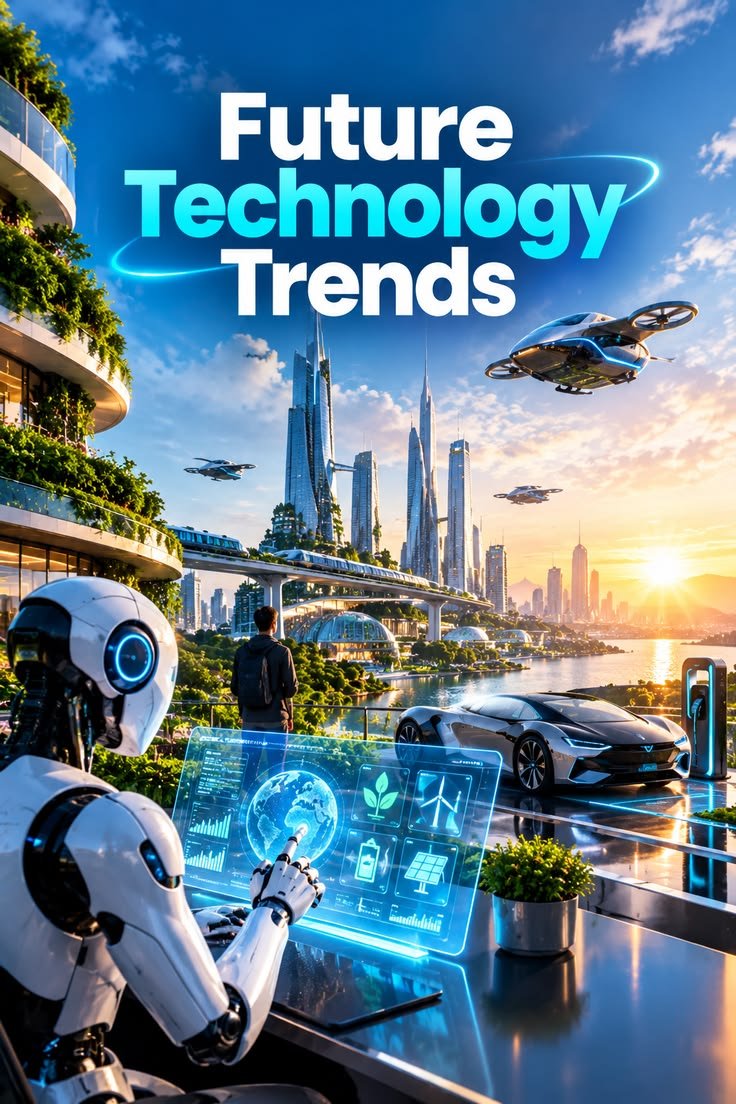
Technology in Healthcare
Technology has also transformed healthcare. Digital medical records allow healthcare providers to organize and access patient information more efficiently. Modern medical equipment helps professionals diagnose and treat many conditions.
Telemedicine allows patients to communicate with healthcare professionals remotely in situations where an in-person visit may not be necessary. Health applications and wearable devices can also help people monitor certain aspects of their daily activities.
Artificial intelligence is increasingly being explored for medical research, data analysis, and assisting healthcare professionals. However, healthcare technology must be used carefully, with attention to privacy, safety, accuracy, and professional oversight.
Technology and Business
Businesses of almost every size now depend on technology. Companies use websites, social media, digital advertising, online payment systems, customer relationship tools, and data analysis to operate more efficiently.
E-commerce has made it possible for customers to purchase products from home. Small businesses can also use digital platforms to reach customers beyond their local areas.
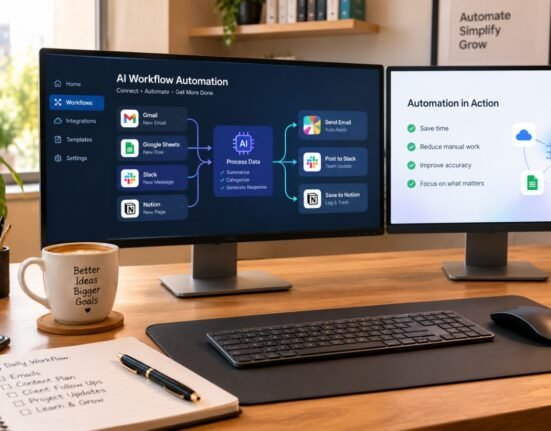
Automation can reduce repetitive tasks and allow employees to focus on more complex responsibilities. Businesses can use software to manage inventory, communication, accounting, marketing, and other operations.
Technology has therefore created new opportunities for entrepreneurs and has changed traditional business models.
Artificial Intelligence and the Future
Artificial intelligence is one of the most important technological developments of recent years. AI systems can analyze information, recognize patterns, generate content, assist with certain tasks, and support decision-making.
AI is being explored across many industries, including education, healthcare, finance, transportation, entertainment, and customer service.
The growth of AI also creates important questions about privacy, accuracy, employment, responsibility, and ethical use. AI systems can produce incorrect information, so human judgment remains important.
The future of artificial intelligence will likely depend not only on technological development but also on how responsibly society chooses to use it.
Technology in Everyday Life
Technology has become so common that people sometimes do not notice how much they depend on it.
Smartphones can be used for communication, navigation, photography, banking, education, entertainment, and many other activities. Smart home devices can help people control lights, appliances, and security systems.
Digital calendars and reminders help people organize their schedules. Online banking makes financial transactions more convenient, while navigation applications help people find routes and locations.
These tools can save time and make everyday tasks easier, but they can also encourage people to become overly dependent on devices.
The Importance of Cybersecurity
As more personal and financial information moves online, cybersecurity has become increasingly important.
Cybercriminals may attempt to steal passwords, financial information, personal data, or access to online accounts. People should therefore develop basic cybersecurity habits.
Using strong and unique passwords, enabling multi-factor authentication, keeping software updated, and avoiding suspicious links can improve online security.
People should also be careful about sharing personal information online. Privacy settings should be reviewed regularly, especially on social media and other online platforms.
Technology and Privacy
Privacy is another major concern in the digital world. Websites, applications, and online services may collect different types of information about users.
People should understand what information they are sharing and read privacy policies when appropriate. Being careful about permissions granted to applications can also help protect personal information.
Digital privacy is not only a responsibility of technology companies. Users can also take steps to protect their information by managing passwords, limiting unnecessary permissions, and thinking carefully before sharing sensitive details.
The Impact of Technology on Employment
Technology has changed the workplace in many ways. Some repetitive tasks can now be automated, while new jobs have been created in areas such as software development, cybersecurity, digital marketing, data analysis, and artificial intelligence.
Workers increasingly need digital skills to remain competitive. Learning new tools and adapting to technological changes can help people prepare for future opportunities.
Technology does not simply eliminate work; it often changes the type of work people perform. Human creativity, communication, problem-solving, and decision-making remain valuable skills.
Technology and the Environment
Technology can create both environmental challenges and opportunities. Electronic waste is a growing concern because old phones, computers, batteries, and other devices need to be disposed of responsibly.
At the same time, technology can support environmental solutions. Renewable energy systems, smart electricity networks, electric vehicles, and advanced monitoring systems can contribute to more efficient resource use.
Developing sustainable technology and encouraging responsible consumption can help reduce some of the environmental effects associated with modern devices.
The Problem of Excessive Screen Time
Although digital devices are useful, excessive screen time can affect daily routines. Spending long periods on phones or computers may reduce physical activity and interfere with sleep or concentration.
People can create healthier digital habits by taking regular breaks, spending time outdoors, engaging in physical activities, and setting boundaries around device use.
Technology should support life rather than control it. Knowing when to disconnect can be just as important as knowing how to use digital tools.
Digital Skills for the Future
Digital literacy is becoming an essential skill. People need to understand how to use technology safely, evaluate online information, protect personal data, and communicate responsibly.
Students can benefit from learning skills such as basic computer operation, online research, digital communication, cybersecurity awareness, and responsible use of artificial intelligence.
Continuous learning is particularly important because technology changes rapidly. A skill that is valuable today may evolve as new tools appear.
Using Technology Responsibly
Responsible technology use requires balance and awareness. People should think about how a particular technology affects their time, relationships, privacy, education, work, and health.
Technology should be used to solve problems, improve productivity, support learning, and create meaningful connections.
Parents, teachers, businesses, and technology companies all have roles to play in promoting responsible digital behavior. Education about online safety and digital citizenship can help people make better decisions.
Conclusion
Technology has transformed modern life in ways that were difficult to imagine in previous generations. It has improved communication, expanded access to education, supported healthcare, changed business, and created new opportunities.
At the same time, technology brings challenges involving privacy, cybersecurity, excessive screen time, misinformation, employment changes, and environmental impact.
The goal should not be to avoid technology but to use it wisely. People who understand both its benefits and limitations can make better decisions about how technology fits into their lives.
As technology continues to develop, digital skills, responsible use, critical thinking, and adaptability will become increasingly important. The future will likely bring even more technological changes, and society’s ability to use these innovations responsibly will determine how beneficial they become.
Technology is ultimately a tool. When used thoughtfully, it can save time, connect people, expand knowledge, solve problems, and create opportunities. The challenge is to make sure that technology remains a helpful part of human life rather than allowing it to control the way we live.



Leave feedback about this