

Most modern smartwatches from brands like Apple, Garmin, Samsung, and Fitbit record millions of biometric data points daily. Yet, the average user only checks their step count or glance at their total sleep duration before carrying on with their day.
When used strategically, your wearable acts as an intelligent recovery coach. Learning how to use smartwatches and health metrics to optimize sleep and exercise routines allows you to align your training intensity with your body’s true physiological readiness, preventing injury, overtraining, and chronic exhaustion.
1. Key Smartwatch Metrics You Must Track
To build a data-driven routine, you need to understand which metrics offer actionable health signals versus those that are just background noise.
Essential Recovery Metrics
-
Heart Rate Variability (HRV): Measures the microscopic time variations in milliseconds between heartbeats. Higher baseline HRV signals a rested, resilient autonomic nervous system ready for stress.
-
Resting Heart Rate (RHR): The number of times your heart beats per minute while completely at rest. An elevated overnight RHR (3 to 5 beats above baseline) indicates physical strain, dehydration, or an oncoming illness.
-
Sleep Architecture (Deep & REM Stages): Deep sleep restores physical muscle tissue, while REM sleep processes memory and emotional recovery. Adults should aim for 15% to 25% deep sleep and 20% to 25% REM sleep nightly.
2. How to Align Daily Workouts with Smartwatch Recovery Data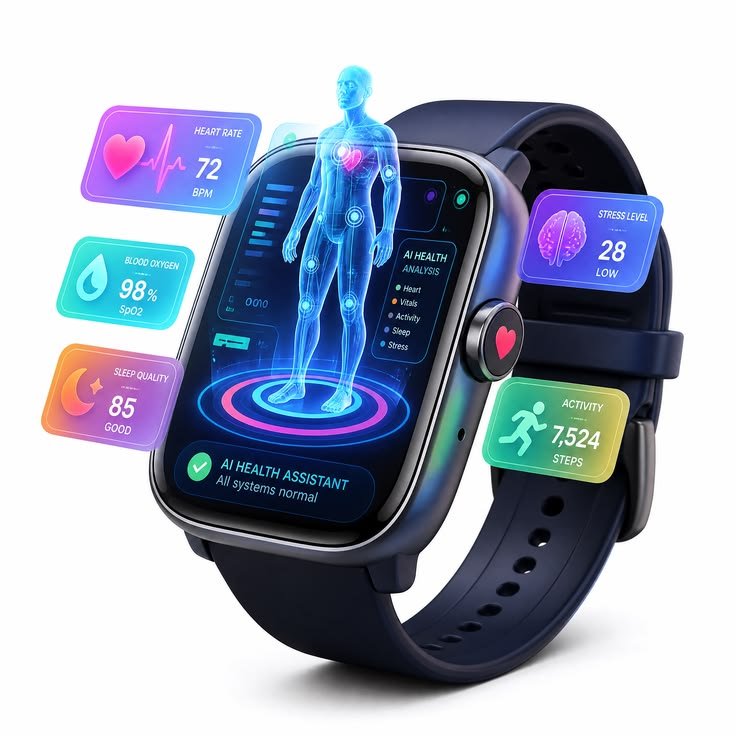
Instead of sticking blindly to a rigid exercise schedule, use your smartwatch’s daily readiness or body battery score to guide your training choices.
| Smartwatch Recovery Indicator | Biological Status | Ideal Exercise Choice |
| High Readiness (Normal/High HRV, Low RHR) | Parasympathetic dominant, full muscular recovery. | High-Intensity Interval Training (HIIT), heavy resistance training, tempo runs. |
| Moderate Readiness (Baseline Metrics) | Balanced, moderate physical energy. | Zone 2 steady-state cardio, moderate bodyweight training, recreational sports. |
| Low Readiness (Suppressed HRV, High RHR) | Sympathetic stress, fatigue, or sleep deficit. | Rest day, light walking, mobility work, gentle yoga, or stretching. |
3. Using Exercise to Improve Your Smartwatch Sleep Metrics
The timing and intensity of your physical activity directly impact your sleep architecture.
-
Leverage Zone 2 Cardio for Deep Sleep: Regular low-intensity aerobic conditioning increases the duration of deep slow-wave sleep, enhancing physical recovery.
-
Avoid Late-Night High-Intensity Workouts: Strenuous weightlifting or intense cardio within 3 hours of bedtime spikes core body temperature and stress hormones, suppressing overnight HRV and delaying sleep onset.
-
Get Morning Light During Workouts: Exercising outdoors in morning sunlight helps anchor your circadian rhythm, signaling your brain to release melatonin earlier in the evening.
4. Practical Workflow to Optimize Your Daily Health System
Combining your exercise plan with your wearable data creates a feedback loop for long-term progress.
-
Check Your Morning Recovery Score: Before starting your day, look at your overnight HRV and sleep score rather than your calorie burn.
-
Adjust Workout Targets: If your recovery score is red or yellow, swap a heavy lifting session for a routine like our equipment free exercise and healthy meal prep guide focusing on mobility and lighter bodyweight moves.
-
Monitor Nightly Sleep Consistency: Set smartwatch bedtime reminders to keep your sleep and wake times within a strict 30-minute window every day.
Deepening your knowledge of specific metrics through our guides on how to read smartwatch hrv and general smartwatch and fitness setups will help you interpret data trends with confidence.
Want More Insights to Grow Your Digital Presence & Daily Productivity?
Whether you need to fix your website’s technical performance or build a smarter, burnout-free work routine, NewsUp To delivers practical guides to keep you ahead.





Leave feedback about this