

Modern wearables continuously monitor your cardiovascular system while you sleep. Among all the biometric data points displayed on your smartwatch dashboard, your Resting Heart Rate (RHR) is one of the clearest indicators of overall health, cardiovascular fitness, and daily physical recovery.
While a steady baseline reading indicates an efficient cardiovascular system, noticing sudden drops or unexpected spikes in your morning RHR trend line can feel confusing. Learning how to interpret your smartwatch resting heart rate drops and spikes allows you to distinguish between positive fitness adaptations, temporary physiological strain, and early signs of oncoming illness.
1. Understanding Your Resting Heart Rate Baseline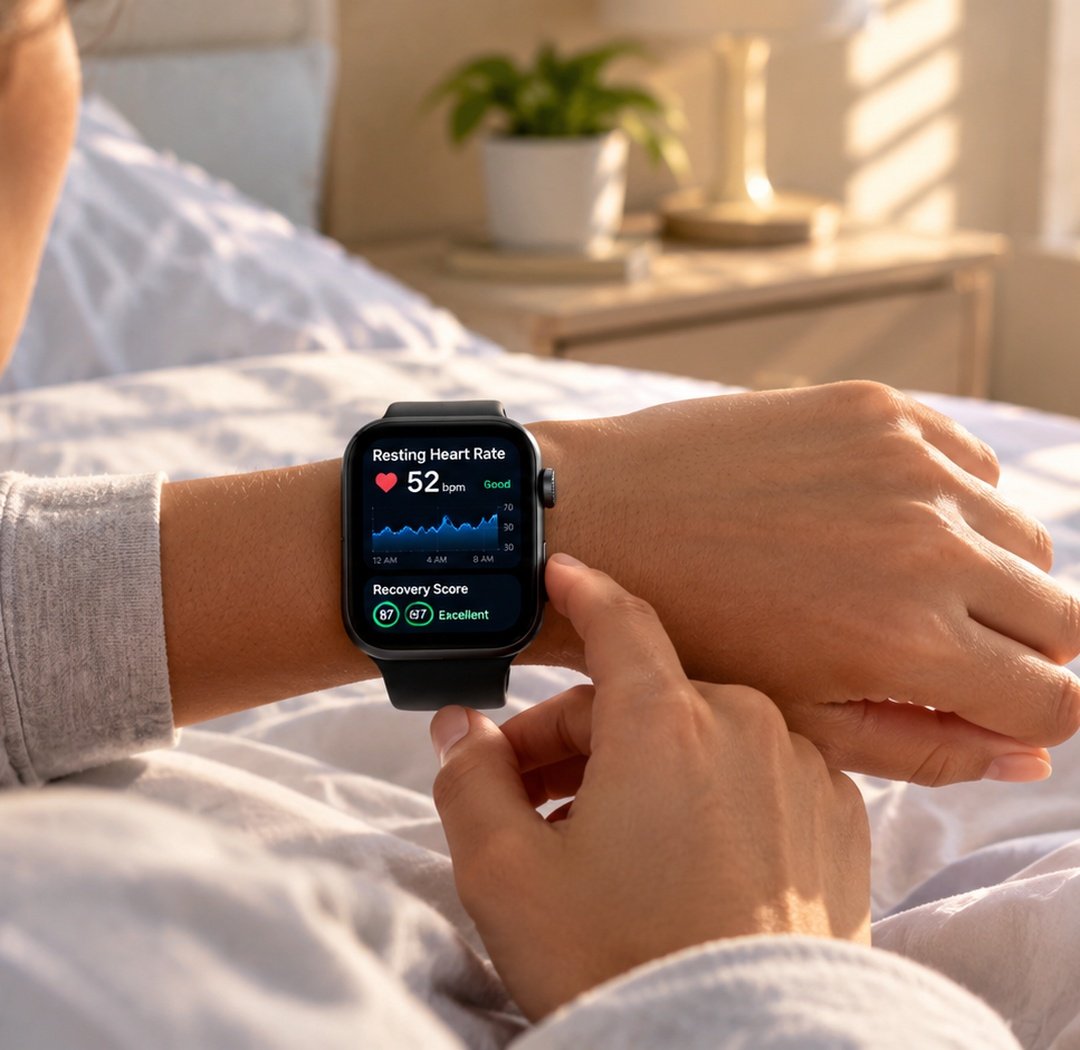
Before interpreting daily fluctuations, you must establish your personal baseline range. Standard population averages vary widely, but your individual baseline matters far more than general figures.
Key RHR Baseline Principles
-
Individual Variation: A healthy athlete might have a baseline RHR of 42 BPM, while a healthy non-athlete sits comfortably at 65 BPM.
-
Overnight Measurement Precision: Smartwatches measure RHR during deep sleep cycles to minimize external variables like caffeine, movement, or emotional stress.
-
Rolling Averages: Always evaluate RHR against a 7-day to 28-day rolling average rather than panicking over a single night’s reading.
2. What Causes Sudden RHR Spikes?
A sudden upward shift in your morning RHR reading indicates that your heart is working harder to pump blood through your circulatory system during rest.
| RHR Spike Range | Primary Physiological Triggers | Recommended Response |
| +2 to +4 BPM (Mild) | Heavy evening meal, late caffeine, high room temperature, or mild daily fatigue. | Prioritize early sleep, hydrate well, and keep workouts moderate. |
| +5 to +8 BPM (Moderate) | Alcohol consumption, acute psychological stress, or intense overtraining. | Take an active recovery or rest day; avoid high-intensity exercise. |
| +9+ BPM (Severe) | Oncoming viral infection, fever, severe exhaustion, or significant dehydration. | Cancel strenuous workouts, monitor body temperature, and rest completely. |
The Science Behind the Spike
When your immune system fights off a virus or your body processes alcohol, your sympathetic nervous system (“fight or flight”) becomes dominant. This elevates core body temperature and stress hormone levels, forcing your heart to beat faster to deliver oxygen and immune cells throughout your body.
3. What Causes RHR Drops?
While gradual drops over weeks reflect improving health, sudden downward spikes also carry distinct physiological meanings.
-
Long-Term Aerobic Adaptation (Gradual Drop): As your heart muscle grows stronger through steady cardio, its stroke volume (amount of blood pumped per beat) increases. Your heart can deliver the same amount of oxygen with fewer beats per minute.
-
Post-Exhaustion Central Nervous System Fatigue (Sudden Drop): Severe overtraining can sometimes cause a temporary parasympathetic rebound. The nervous system becomes suppressed, causing heart rate to drop abnormally low while leaving you feeling sluggish.
-
Medication or Metabolic Shifts: New prescription medications (like beta-blockers) or significant thyroid activity changes can lower resting pulse rates.
4. How to Align RHR Trends with Your Daily Routine
Connecting your resting heart rate data with other biometric metrics creates an actionable recovery roadmap.
-
Cross-Reference with HRV: Pair your RHR data with insights from our guide on how to read smartwatch hrv. A low RHR combined with high Heart Rate Variability signals prime recovery for maximum workout performance.
-
Adjust Training Demand: Follow strategies from our guide on how to use smartwatches to optimize sleep and exercise to pivot between high-intensity sessions and active recovery.
-
Fuel Properly: Combining physical recovery with routines from our equipment free exercise and healthy meal prep framework ensures your body receives necessary nutrients to maintain cardiovascular efficiency.
Want More Insights to Grow Your Digital Presence & Daily Productivity?
Whether you need to fix your website’s technical performance or build a smarter, burnout-free work routine, NewsUp To delivers practical guides to keep you ahead.






Leave feedback about this