
College tuition is expensive enough, and buying brand-new textbooks every semester can add hundreds of dollars in unexpected expenses. Walking into the campus bookstore and purchasing every required book at retail price is a fast way to drain your savings.
Fortunately, you do not need to buy brand-new physical copies to succeed in your classes. By exploring alternative purchasing options and digital rentals, you can slash your book expenses significantly.
Below is a complete, beginner-friendly guide covering how to save money on textbooks in college, complete with smart sourcing tips and rental strategies.
1. Smart Ways to Source Affordable Textbooks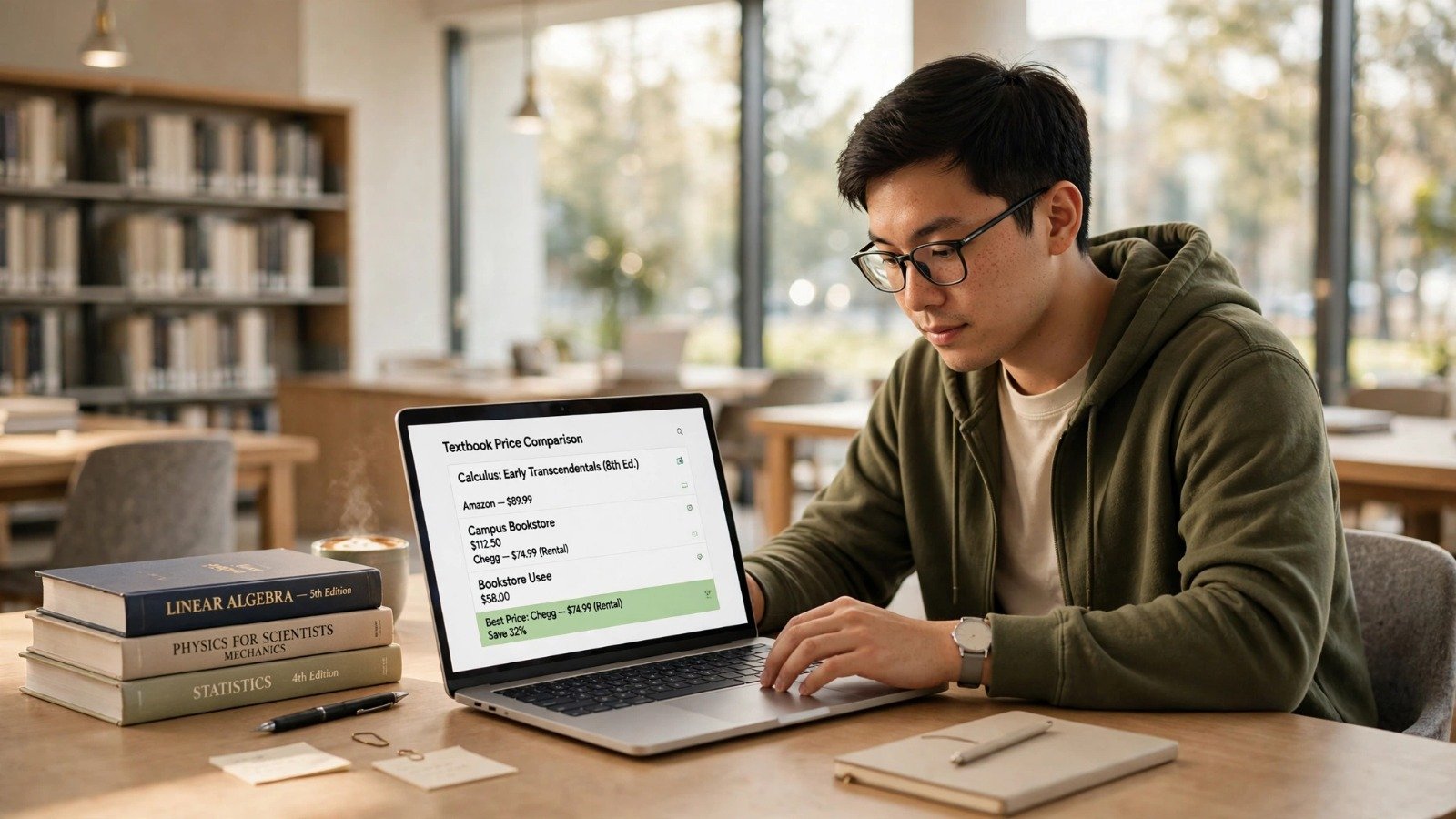
Before spending money on a new edition, explore alternative platforms designed to reduce student book costs.
-
Rent Instead of Buying: Services like Chegg, CampusBookRentals, and Amazon Textbook Rentals let you borrow physical books for a semester at a fraction of the retail price.
-
Look for Digital PDF Editions: Buying or downloading authorized e-textbooks is often significantly cheaper than purchasing heavy hardcover copies.
-
Check the Campus Library: Many university libraries keep copies of required textbooks on reserve for students to read on-site or borrow for short hourly blocks.
-
Buy Used from Upperclassmen: Check student marketplace groups or campus bulletin boards to buy used books directly from students who finished the class last semester.
[ Check Library Reserve ] ──> [ Compare Rental Prices ] ──> [ Look for Used Copies ] ──> [ Buy Digital e-Book ]
2. Tactical Rules for Buying Course Materials
Timing and edition checks prevent you from wasting money on unnecessary or incorrect books.
-
Wait Until the First Class: Do not buy books before the semester starts. Attend the first lecture to hear the professor clarify whether the textbook is strictly required or just optional reading.
-
Check Edition Numbers: Ask your professor if an older edition (such as the 3rd edition instead of the brand-new 4th edition) is acceptable. Older editions often cost pennies compared to current releases.
-
Beware of Access Codes: Some classes require online homework portal access codes that only come with brand-new books. Always factor code costs into your total budget before buying a used copy.
| Acquisition Method | Average Cost | Best Used For |
| Campus Bookstore New | Highest ($150–$300+) | Last-minute purchases or mandatory access codes |
| Online Book Rental | Low ($20–$60) | Core reading textbooks for a single semester |
| Library Reserve | Free | Short-term reading and occasional assignment checks |
Additionally, keeping your college budget organized connects smoothly with broader savings strategies like how-to-save-money-on-groceries-on-a-tight-budget. Furthermore, tracking your overall monthly expenses using tips from how-to-track-daily-expenses-easily helps prevent financial stress throughout the semester.
3. Habits to Protect and Return Rental Books
If you choose to rent books or buy physical copies to resell later, keeping them in good condition ensures you avoid late fees or get a high buyback value.
Step 1: Use Clear Book Covers
Slip paper or plastic protective covers over your rented textbooks to prevent water damage, stains, or torn pages.
Step 2: Avoid Heavy Highlighting
If you rent books, keep highlighting minimal and check the rental agreement guidelines to see if pencil notes are permitted instead of permanent ink.
Step 3: Track Return Deadlines
Set a digital calendar reminder on your phone for the exact date rental books are due at the end of the semester to avoid steep late penalties.
Furthermore, balancing your daily academic schedule and study workspace ergonomics pairs naturally with habits covered in simple-habits-for-better-posture-while-studying.
Want More Insights to Grow Your Digital Presence & Daily Productivity?
Whether you need to fix your website’s technical performance or build a smarter, burnout-free work routine, NewsUpTo delivers practical guides to keep you ahead.



Leave feedback about this