
Transferring cryptocurrency from one wallet to another is a routine part of managing digital assets. However, unlike traditional bank wire transfers, blockchain transactions are completely irreversible. If you send crypto to the wrong address or select an incompatible network, your funds can be lost forever.
Fortunately, following a few strict safety rules ensures your cryptocurrency arrives at its destination securely every single time.
Below is a complete, beginner-friendly guide covering how to send crypto to another wallet safely, featuring verification steps and network selection tips.
1. Core Safety Rules Before Initiating a Transfer
Before you click send on any cryptocurrency transaction, pause and verify these critical technical details.
-
Double-Check the Wallet Address: Never type or guess a wallet address manually. Always use the copy-and-paste function, and verify the first and last four characters of the address.
-
Match the Blockchain Network: Ensure both the sending and receiving wallets support the exact same network (for example, sending USDT via Ethereum ERC-20 requires the receiving address to accept ERC-20). Mismatched networks often result in permanent fund loss.
-
Account for Gas Fees: Always leave a small amount of native cryptocurrency (like Ethereum for gas or BNB for BSC) in your wallet to cover network transaction fees.
[ Copy Wallet Address ] ──> [ Verify Network Match ] ──> [ Send Small Test Amount ] ──> [ Complete Full Transfer ]
2. Step-by-Step Guide to Executing a Safe Transfer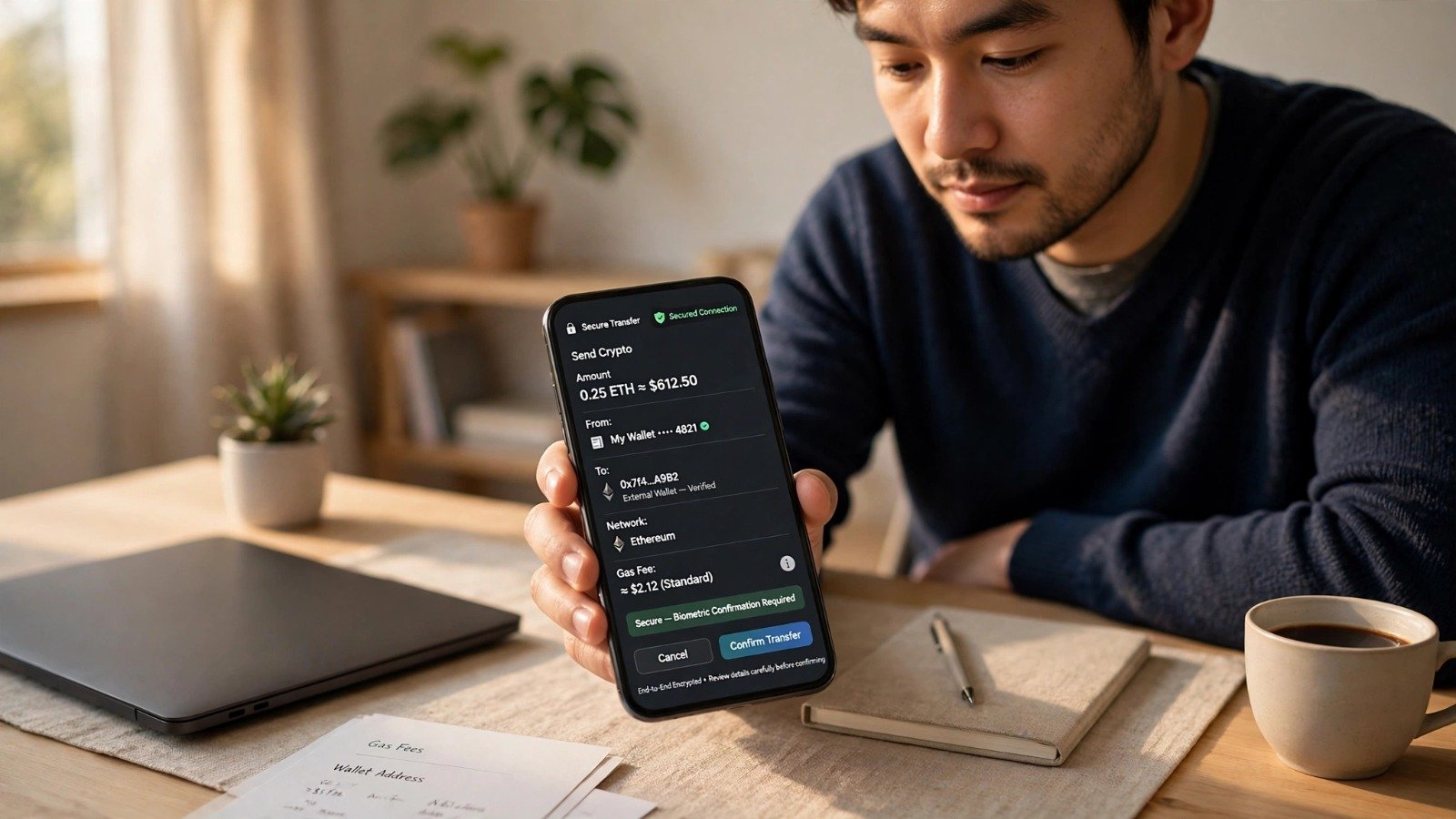
Following a structured sequence prevents costly mistakes during cryptocurrency withdrawals and transfers.
Step 1: Open Your Wallet and Select the Asset
Log into your non-custodial wallet or exchange account, navigate to your portfolio, and select the exact cryptocurrency token you want to send (such as Bitcoin, Ethereum, or USDC).
Step 2: Paste and Verify the Destination Address
Paste the recipient’s public wallet address into the send field. Cross-check the address character by character, especially checking for clipboard malware that alters copied addresses.
Step 3: Send a Test Transaction First
If you are transferring a large amount of cryptocurrency to a new wallet for the first time, send a small minimum test amount first. Wait for the transaction to confirm successfully before sending the remaining balance.
| Transfer Step | Safety Purpose | Risk Level if Skipped |
| Address Verification | Ensures funds reach the correct recipient | Extreme (Permanent loss) |
| Network Matching | Prevents cross-chain transfer errors | High (Stuck or lost funds) |
| Test Transaction | Confirms route and wallet compatibility | Low (Saves large amounts) |
Additionally, understanding foundational concepts like what-is-a-crypto-wallet-simple-explanation helps you better manage public and private keys safely. Furthermore, tracking transaction costs connects smoothly with tips from what-are-crypto-gas-fees-simple-guide.
3. Essential Security Habits for Crypto Transfers
Protecting your accounts from phishing scams and malicious actors ensures your transferred funds remain secure.
Rule 1: Beware of Clipboard Malware
Malware on infected computers can secretly swap copied wallet addresses with a hacker’s address. Always double-check the pasted address before confirming.
Rule 2: Never Share Your Seed Phrase
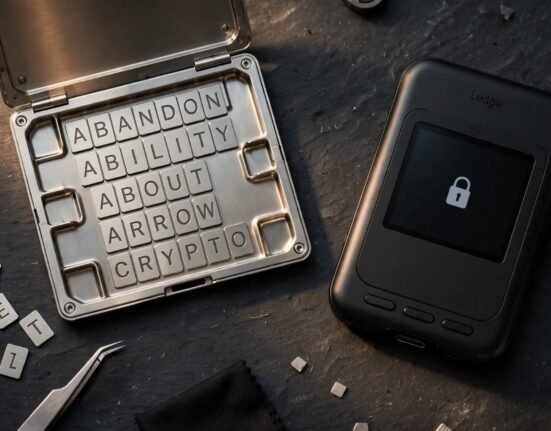
No legitimate support team, wallet provider, or platform will ever ask for your 12-word or 24-word seed phrase or private keys. Keep them offline in a secure physical location.
Rule 3: Use Hardware Wallets for Large Holdings
For long-term storage and large cryptocurrency balances, use a hardware wallet (cold storage) to keep your private keys offline and away from online threats.
Furthermore, exploring risk management strategies like what-is-dollar-cost-averaging-crypto-strategy helps you build a secure, balanced crypto portfolio over time.
Want More Insights to Grow Your Digital Presence & Daily Productivity?
Whether you need to fix your website’s technical performance or build a smarter, burnout-free work routine, NewsUpTo delivers practical guides to keep you ahead.




Leave feedback about this