

When you first start transferring digital assets or interacting with decentralized finance platforms, you will quickly notice a recurring charge known as a gas fee. For many beginners, these variable costs can seem confusing and frustrating.
Fortunately, understanding how transaction fees work is straightforward once you grasp the basic mechanics of blockchain computing.
Below is a clear guide explaining what a gas fee in crypto is, why it exists, and how you can avoid overpaying.
1. Simple Analogy: How Gas Fees Work
To understand this concept easily, think of a blockchain network like a toll highway:
-
The Highway: The blockchain network (such as Ethereum or Solana).
-
The Car: Your transaction or smart contract request.
-
The Toll Fee: The gas fee you pay to keep the road maintained and open.
Whenever you send crypto, trade tokens, or mint an NFT, computers around the world expend computational energy to verify your transaction. Therefore, the gas fee acts as a essential payment to reward these validators for keeping the network secure and operational.
2. Why Do Crypto Gas Fees Fluctuate?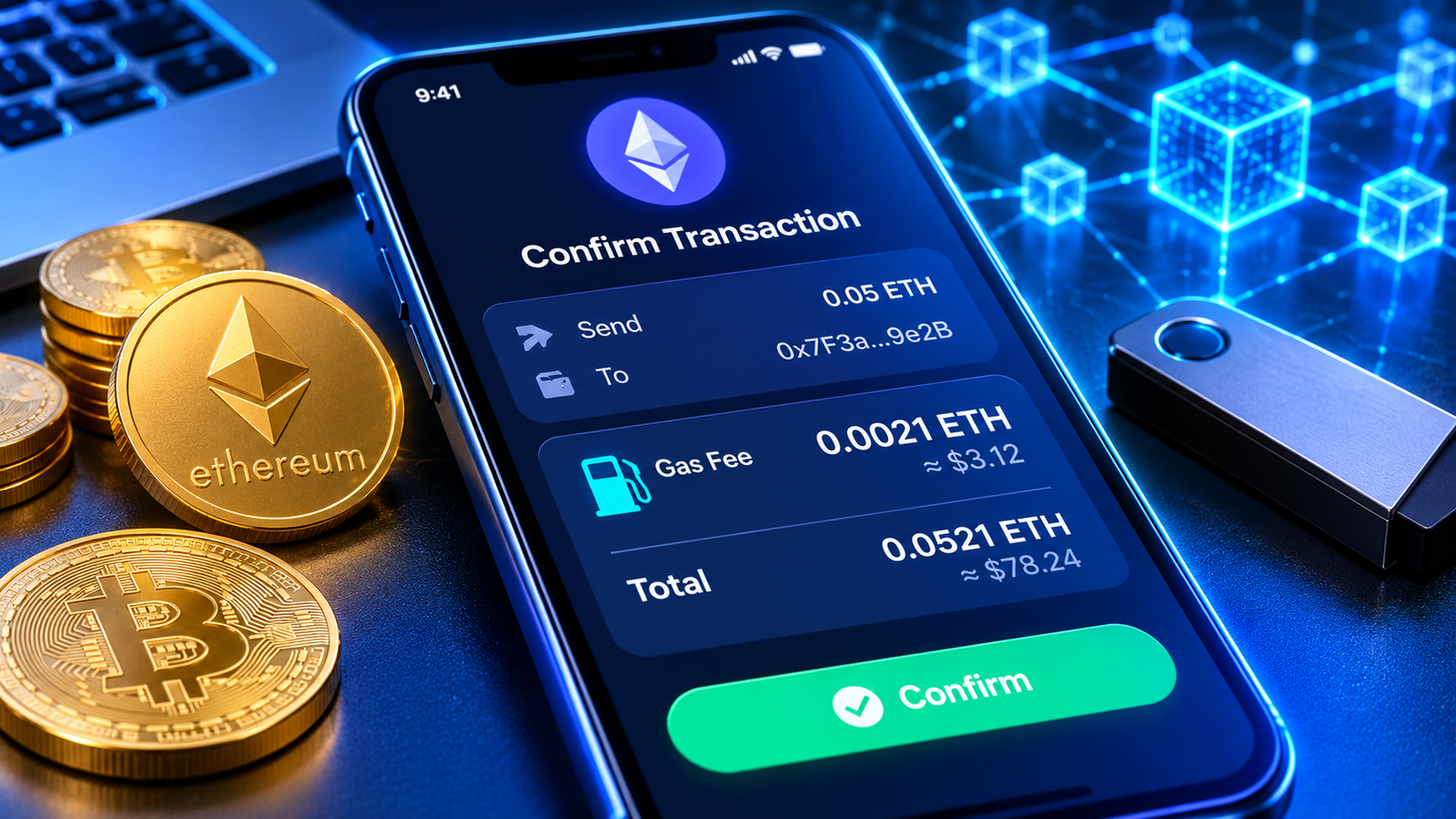
Gas fees are not fixed; instead, they change dynamically based on supply and demand.
A. Network Congestion
When thousands of users try to process transactions at the exact same time, block space becomes limited. Consequently, users offer higher gas fees to incentivize validators to prioritize their transactions first.
B. Transaction Complexity
Simple transfers require minimal computing effort. On the other hand, complex actions like swapping tokens on decentralized exchanges require more processing power, resulting in higher base fees.
| Transaction Type | Computational Work | Average Fee Level |
| Simple Wallet Transfer | Very Low | Lowest |
| Token Swap (DEX) | Moderate | Medium |
| NFT Minting / Smart Contract | High | Highest |
Understanding network activity dynamics aligns well with managing digital tools, as explained in how-to-stop-pop-up-ads-on-android.
[ Initiate Transaction ] ──> [ Calculate Base Fee ] ──> [ Add Priority Tip ] ──> [ Validator Approves ]
3. Practical Ways to Lower Your Gas Fees
Although gas fees are unavoidable on public blockchains, you can use smart strategies to minimize what you spend:
-
Transact During Off-Peak Hours: First, monitor network activity. Fees are generally lower during late-night hours or weekends when overall trading volume decreases.
-
Use Layer-2 Networks: Next, consider using Layer-2 scaling solutions (like Arbitrum, Polygon, or Optimism). These networks bundle transactions off the main chain, significantly reducing costs.
-
Set Custom Gas Limits: Additionally, use wallet settings (such as MetaMask) to customize your gas limit and avoid over-tipping validators during quiet periods.
Furthermore, maintaining financial safety while handling digital assets connects with habits covered in what-is-a-high-yield-savings-account.
Want More Insights to Grow Your Digital Presence & Daily Productivity?
Whether you need to fix your website’s technical performance or build a smarter, burnout-free work routine, NewsUp To delivers practical guides to keep you ahead.


Leave feedback about this