
Starting an online business often feels intimidating due to high upfront costs for inventory, warehousing, and shipping. For aspiring entrepreneurs who want to test product ideas without risking their savings, the print on demand (POD) business model offers an ideal entry point.
With print on demand, you create custom designs for items like t-shirts, mugs, tote bags, and phone cases. A third-party supplier prints and ships the products directly to customers only after an order is placed.
By utilizing free e-commerce marketplaces and supplier integrations, you can launch a fully functional storefront with zero financial investment. Below is a complete, beginner-friendly guide covering how to start a print on demand business for free.
1. Understanding How Free Print on Demand Works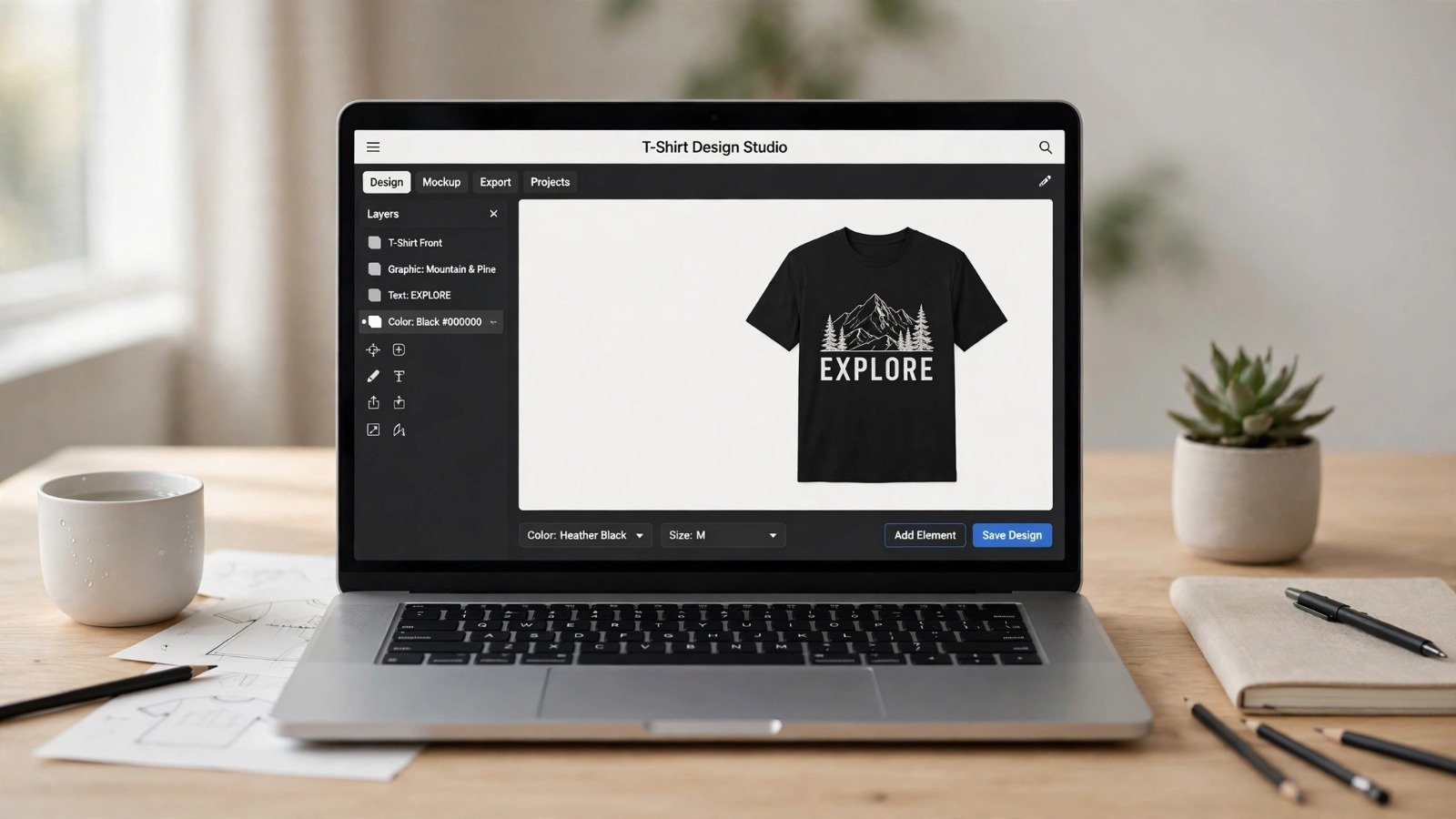
Before creating products, it helps to understand the financial mechanics of running a POD business without capital.
-
Zero Upfront Inventory: You never buy bulk stock or pay for storage. You only pay the supplier for production and shipping after a customer buys your item.
-
Automated Fulfillment: When an order is placed on your online store, the order details route automatically to your print provider, who prints, packages, and ships the item under your brand name.
-
Profit Margins: Your profit is the retail price you charge minus the base production and shipping cost charged by the supplier.
[ Create Custom Design ] ──> [ List Free on Storefront ] ──> [ Customer Places Order ] ──> [ Supplier Prints & Ships ]
2. Step-by-Step Guide to Launching Your Free POD Store
Setting up your business takes only a few hours when using accessible, beginner-friendly tools.
| Platform Type | Recommended Choice | Cost Structure | Best For |
| Print Supplier | Printify / Printful | Free to join, pay per sale | Automated production and shipping |
| Design Tool | Canva (Free Version) | Free | Creating beginner-friendly artwork |
| Sales Channel | Etsy / TikTok Shop | Small listing fee ($0.20 on Etsy) | Accessing existing buyers organically |
3. Effective Strategies for Free Organic Marketing
Since you are operating with a zero-dollar advertising budget, driving traffic relies entirely on organic reach and search optimization.
-
Master Marketplace SEO: Optimize your product titles and tags with relevant search terms so shoppers find your items when browsing organically.
-
Leverage Short-Form Video: Create engaging TikToks, Instagram Reels, or YouTube Shorts showing your design process, mockup creation, or behind-the-scenes brand building. Short-form video remains the fastest free traffic driver for e-commerce.
-
Target Specific Niches: Instead of selling generic designs, focus on passionate sub-communities (such as niche hobbies, local professions, or specific pet breeds) where buyers eagerly look for personalized merchandise.
Want More Insights to Grow Your Digital Presence & Daily Productivity?
Whether you need to fix your website’s technical performance or build a smarter, burnout-free work routine, NewsUpTo delivers practical guides to keep you ahead.




Leave feedback about this