

Breaking Barriers to Better Healthcare
Good health is one of the most valuable parts of life, but having access to healthcare is not always equally easy for everyone. A person may know that they need medical help but still face difficulties reaching a healthcare facility, understanding health information, communicating with medical staff, or using digital healthcare services. These difficulties can become serious barriers when people need care.
Health accessibility is about making healthcare easier to reach, understand, and use. It means creating healthcare systems that consider the different physical, communication, financial, social, and digital needs of people. Accessible healthcare does not mean providing exactly the same experience to everyone. Instead, it means creating reasonable ways for different people to receive and understand the healthcare services they need.
As healthcare continues to develop, accessibility should become an important part of how hospitals, clinics, pharmacies, websites, applications, and health campaigns are designed.
What Is Health Accessibility?
Health accessibility means that people can obtain appropriate healthcare services and understand the information they receive without facing unnecessary barriers.
Accessibility can involve many different areas. A hospital may need accessible entrances and facilities. A healthcare website may need readable text and simple navigation. A medical professional may need to communicate information in a clear way. An online appointment system may need to work with assistive technologies.
This shows that accessibility is not limited to one part of healthcare.
A healthcare system can only be truly accessible when patients can move through the entire process from finding information and making an appointment to visiting a healthcare professional and understanding what happens next.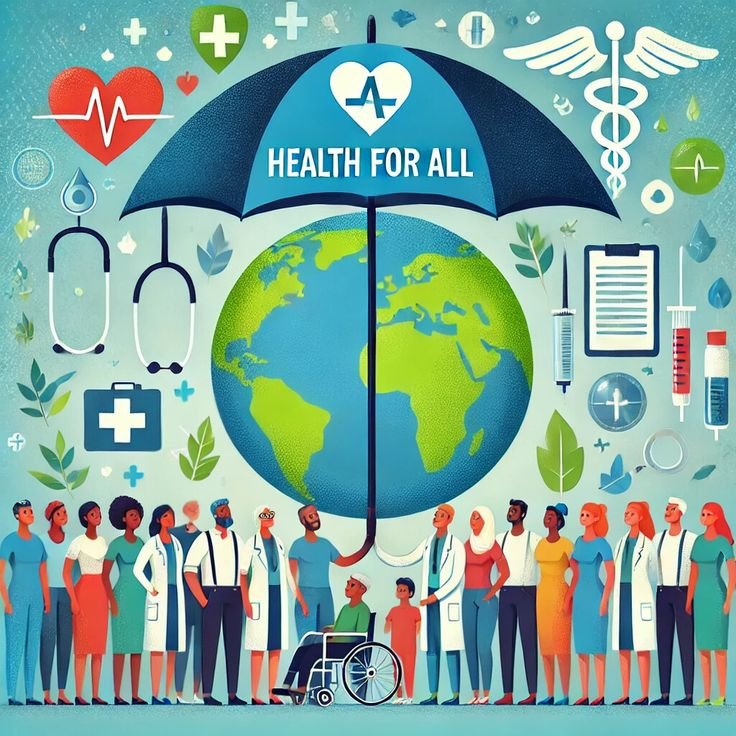
Why Healthcare Accessibility Matters
Healthcare affects everyone. People may need medical services for routine checkups, injuries, illnesses, preventive care, or other health concerns.
When healthcare systems are difficult to access, people may experience delays or confusion. They may have difficulty finding the right department, completing a form, communicating their concerns, or understanding instructions.
Accessible healthcare can make these processes clearer.
It can also improve the overall experience for patients and their families. Clear information, helpful staff, accessible facilities, and easy-to-use technology can reduce unnecessary confusion.
Accessibility is therefore an important part of providing patient-centered healthcare.
Physical Accessibility in Hospitals and Clinics
The physical environment of a healthcare facility can have a major impact on a person’s experience.
Hospitals and clinics can be designed with features such as ramps, elevators, accessible entrances, suitable seating areas, clear pathways, and easy-to-read signs.
These features can make it easier for people to move through the building.
However, accessibility should not stop at the front entrance. Patients should be able to reach reception desks, waiting areas, examination rooms, bathrooms, and other necessary areas without unnecessary obstacles.
Clear signs can also make a large hospital easier to navigate. When departments and rooms are clearly identified, patients spend less time trying to find their destination.
Good physical design benefits many visitors, including patients, family members, and healthcare workers.
Making Health Information Easier to Understand
Health information can sometimes be difficult to understand because medical professionals use specialized terminology.
Patients need information that is accurate but also understandable.
Healthcare organizations can make information more accessible by using clear headings, short paragraphs, diagrams, frequently asked questions, and simple explanations where appropriate.
For example, a health information page can explain a medical topic using everyday language and then provide additional technical information for readers who want more detail.
Visual content can also help explain complex concepts, but important information should not depend entirely on images.
Clear health communication can help people understand what a healthcare service is, what questions they may want to ask, and what steps they should take next.
Communication Between Patients and Healthcare Professionals
Communication is one of the most important parts of healthcare.
Patients need to explain their concerns, ask questions, understand information, and communicate their preferences. Healthcare professionals need to understand what patients are saying so they can provide appropriate care.
Some people may experience communication barriers because of hearing, speech, language, or other differences.
Healthcare organizations can support communication by providing appropriate interpretation services, captions where needed, written information, and clear verbal explanations.
Healthcare professionals can also ask patients whether they have understood important instructions rather than assuming that everything is clear.
Respectful communication can make patients feel more comfortable asking questions and requesting clarification.
Digital Accessibility in Healthcare
Healthcare is becoming increasingly digital.
People may use websites to find information, applications to schedule appointments, online portals to view health records, and digital platforms to communicate with healthcare providers.
These services can be convenient, but they need to be designed carefully.
A digital healthcare platform should have clear navigation, readable text, understandable forms, and meaningful buttons.
For example, an appointment form should clearly explain what information the patient needs to enter. Important instructions should not be hidden behind complicated menus.
Websites and applications should also consider users who rely on keyboards, screen readers, magnification tools, or other assistive technologies.
Digital accessibility can make healthcare services easier to use for a wider range of people.
The Importance of Accessible Health Education
Health education helps people learn about general health, prevention, nutrition, exercise, hygiene, mental well-being, and healthcare services.
Schools, hospitals, community organizations, and online platforms can all provide health education.
Accessible health education should be available in formats that different audiences can understand.
For example, an educational campaign could combine written information with illustrations, videos, captions, and audio.
Using different formats can help people access information according to their needs and preferences.
However, health education should always use reliable and accurate information. When people have personal medical concerns, they should consult an appropriate qualified healthcare professional.
Health Accessibility and Technology
Technology can play an important role in reducing healthcare barriers.
Telehealth services, online appointment systems, mobile health applications, digital reminders, and electronic health information can make certain healthcare tasks more convenient.
For example, an online appointment system can allow a person to request an appointment without needing to visit a clinic simply to schedule it.
Video consultations may also provide another option where appropriate and available.
However, digital healthcare should not assume that everyone has the same level of internet access, devices, or digital skills.
Healthcare providers should consider offering alternative methods for people who cannot or do not want to use digital services.
The Role of Accessibility in Pharmacies
Pharmacies are an important part of healthcare because people often visit them to obtain prescribed medicines and seek information about health products.
An accessible pharmacy should be easy to navigate and have clear signs.
Medication-related information should be presented clearly, and patients should have an opportunity to ask questions about instructions that they do not understand.
Pharmacy staff can also help direct customers to an appropriate healthcare professional when a question requires medical evaluation.
Clear communication is particularly important when instructions involve timing, dosage, or other safety-related information.
Health Accessibility for Older People
Older adults may experience different challenges when using healthcare services.
Small text, complicated digital interfaces, confusing forms, and difficult navigation can make healthcare systems harder to use.
Healthcare organizations can improve usability by providing larger readable text, simple instructions, clear signs, and straightforward digital interfaces.
Staff support can also be helpful for people who need assistance navigating a healthcare facility or understanding administrative processes.
Designing services with older users in mind can often improve usability for everyone.
Financial Barriers to Healthcare
Accessibility is not only physical or digital. Financial factors can also affect access to healthcare.
The cost of consultations, tests, medicines, transportation, or other services can create challenges for some people.
Healthcare organizations and public health programs can help by providing clear information about available services, costs, eligibility requirements, and potential support options.
Because healthcare systems and financial assistance programs vary between countries and regions, people should check information from reliable local healthcare or government sources.
Understanding available options can make healthcare systems easier to navigate.
Accessibility in Rural and Remote Areas
People living in rural or remote areas may face different healthcare access challenges.
Healthcare facilities may be farther away, and transportation can sometimes be difficult.
Digital healthcare services may provide additional options in areas where appropriate internet and healthcare infrastructure are available.
Telehealth can connect patients with healthcare professionals remotely for certain types of consultations, although it cannot replace every form of in-person medical care.
Improving transportation, healthcare infrastructure, local services, and appropriate digital options can all contribute to better access.
Common Barriers to Accessible Healthcare
There are many possible barriers to healthcare accessibility.
Some common examples include:
- Difficult-to-navigate healthcare facilities
- Complicated medical language
- Inaccessible websites and applications
- Lack of captions or communication support
- Poorly designed forms
- Limited transportation
- Financial difficulties
- Lack of reliable health information
- Limited digital skills
- Lack of awareness about available services
These barriers can occur individually or together.
Recognizing them is the first step toward creating better healthcare experiences.
How Can Healthcare Become More Accessible?
Healthcare organizations can take several practical steps to improve accessibility.
First, they can evaluate their facilities and identify physical barriers.
Second, they can review websites and applications to make sure that information is easy to find and understand.
Third, health information can be written in clear language and provided in multiple formats.
Fourth, healthcare staff can receive training on communication and accessibility.
Fifth, organizations can ask patients for feedback about their experiences.
Patient feedback is particularly valuable because users may identify problems that designers or administrators did not notice.
Accessibility should also be reviewed regularly as healthcare services and technologies change.
The Future of Health Accessibility
The future of healthcare will likely involve more digital technology, artificial intelligence, remote services, wearable devices, and personalized healthcare tools.
These technologies may create new opportunities to make healthcare easier to access.
Artificial intelligence could support tasks such as translation, speech recognition, information organization, and accessibility features. However, healthcare technology needs careful testing because accuracy, privacy, security, and reliability are extremely important.
Future healthcare systems should combine technological innovation with human support.
Technology should make healthcare easier to navigate, not create another barrier for people who are unfamiliar with digital tools.
Building a More Inclusive Healthcare System
Creating accessible healthcare requires cooperation.
Doctors, nurses, designers, developers, hospitals, pharmacies, governments, educators, and communities all have different roles to play.
Designers can create clearer interfaces. Developers can build accessible digital systems. Healthcare professionals can communicate more clearly. Organizations can improve physical facilities. Educators can provide understandable health information.
Most importantly, healthcare systems can listen to the people who use them.
Accessibility should be considered from the beginning of planning rather than being treated as a problem to fix later.
Conclusion
Health accessibility is about making healthcare easier to reach, understand, and use.
It includes physical accessibility in hospitals, clear communication, understandable health information, accessible websites and applications, appropriate technology, pharmacy services, education, and consideration of financial and geographical barriers.
A healthcare system can have advanced technology and excellent medical facilities, but accessibility remains essential if people cannot comfortably use those services.
As healthcare continues to evolve, accessibility should remain at the center of its development. By identifying barriers and designing services around the different needs of people, healthcare organizations can create more welcoming, understandable, and inclusive experiences.
The goal of accessible healthcare is simple: people should be able to find the information, services, and support they need without unnecessary barriers.
A more accessible healthcare system can help create a healthier and more inclusive society where technology, medical services, information, and human support work together for the benefit of everyone.






Leave feedback about this