

The Role of Technology in Our Modern Lives.
Introduction
Technology has become an important part of modern life. From smartphones and computers to artificial intelligence and smart devices, technology is changing the way people communicate, learn, work, travel, shop, and entertain themselves. What once seemed like science fiction is now becoming part of everyday life.
Technology can make many tasks faster and more convenient. Students can find educational resources online, businesses can communicate with customers around the world, and families can stay connected even when they live far apart. At the same time, technology also brings challenges, such as privacy concerns, excessive screen time, misinformation, and cybersecurity risks.
Understanding technology and using it responsibly can help people benefit from its advantages while reducing potential problems. This blog explores the role of technology in modern life and explains how it is influencing different areas of society.
1. Technology and Communication
One of the biggest changes brought by technology is the way people communicate. In the past, communicating with someone who lived far away could take days or even weeks. Today, smartphones and internet services allow people to communicate almost instantly.
Messaging applications, email, video calls, and social media platforms make it possible to share messages, photos, videos, and documents within seconds.
Technology has also changed communication in workplaces. Teams can collaborate through online meetings and digital platforms even when employees are working from different cities or countries.
However, digital communication should be used thoughtfully. Spending too much time online can sometimes reduce face-to-face interaction. Finding a healthy balance between digital and real-world communication is important.
2. Technology in Education
Education has also changed significantly because of technology. Students can access online courses, digital libraries, educational videos, interactive learning platforms, and other resources from home.
Computers and tablets can make learning more interactive. Students can use presentations, educational software, simulations, and online exercises to understand difficult concepts.
Teachers can also use technology to organize lessons, communicate with students, prepare digital materials, and provide feedback.
Online learning has made education more accessible in many situations, but access to technology is not equal for everyone. Some students may not have reliable internet connections, suitable devices, or quiet places to study. Therefore, technology works best when it supports education without creating additional barriers.
3. Technology in Healthcare
Technology plays an increasingly important role in healthcare. Hospitals and clinics use digital systems to store information, manage appointments, communicate with healthcare teams, and support medical services.
Medical technology can also help professionals monitor patients and identify health problems. Digital tools may assist doctors and other healthcare workers in making informed decisions.
Telehealth has made it possible in some situations for patients to communicate with healthcare professionals without visiting a clinic in person. This can be particularly useful for people who have difficulty traveling.
However, healthcare technology must be used carefully. Medical information is sensitive, so protecting patient privacy and maintaining secure digital systems are important responsibilities.
4. Artificial Intelligence
Artificial intelligence, commonly known as AI, is one of the most discussed areas of modern technology. AI systems can analyze large amounts of information, recognize patterns, generate content, assist with tasks, and support decision-making.
AI is being explored and used across many industries, including education, healthcare, finance, customer service, transportation, and entertainment.
For example, AI-powered tools can help people organize information, translate languages, summarize documents, and automate repetitive tasks.
At the same time, AI raises important questions about privacy, accuracy, employment, copyright, and responsible use. AI-generated information can sometimes be incorrect, so people should check important information instead of accepting every AI response without verification.
5. Technology in Business
Modern businesses rely heavily on technology. Companies use websites, online stores, digital marketing, customer relationship systems, accounting software, and communication platforms to manage their operations.
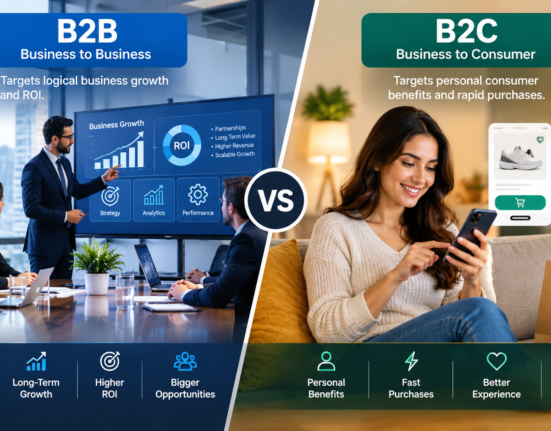
E-commerce has allowed businesses to sell products and services to customers beyond their local areas. A small business can create an online presence and reach potential customers through websites and social media.
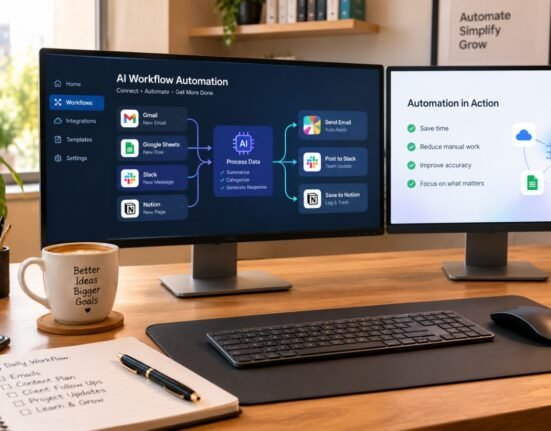
Technology can also automate repetitive tasks. This may allow employees to spend more time on creative, strategic, and customer-focused work.
However, businesses must also protect customer information and use digital systems responsibly. Cybersecurity is becoming increasingly important as companies store more information online.
6. Technology and Entertainment
Entertainment has changed dramatically because of technology. People can now watch movies, listen to music, play games, and create content using digital devices.
Streaming services have made entertainment available on demand. Instead of waiting for a particular program to appear on television, users can often choose what they want to watch.
Video games have also become more advanced and interactive. Modern games can connect players from different parts of the world.
Social media has created another form of entertainment where users can watch short videos, follow creators, share content, and communicate with online communities.
While digital entertainment can be enjoyable, spending too much time on screens may affect sleep, physical activity, and daily responsibilities. Balance is important.
7. Technology and Transportation
Technology has transformed transportation as well. Navigation applications help people find routes, estimate travel times, and discover nearby locations.
Modern vehicles contain digital systems that can improve comfort, safety, and efficiency. Transportation companies also use technology to manage schedules, track vehicles, and improve services.
Electric vehicles are another important technological development. They use electric power instead of traditional fuel engines and are part of broader efforts to develop different approaches to transportation.
Future transportation technologies may continue to change how people travel, but their development also requires attention to safety, infrastructure, affordability, and environmental impact.
8. Cybersecurity and Online Safety
As more activities move online, cybersecurity has become increasingly important. People use the internet for communication, shopping, education, banking, entertainment, and many other activities.
Cybersecurity involves protecting devices, networks, accounts, and information from unauthorized access and other digital threats.
Simple habits can improve online safety. Using strong and unique passwords, enabling multi-factor authentication when available, keeping software updated, and being careful with suspicious links can reduce common risks.
People should also avoid sharing sensitive personal information unnecessarily. Learning basic digital safety skills is becoming just as important as learning other everyday skills.
9. Technology and the Environment
Technology can have both positive and negative effects on the environment. Digital tools can reduce the need for some paper-based processes and help organizations monitor energy use and environmental conditions.
Technology is also being used to develop renewable energy systems, improve energy efficiency, and monitor environmental changes.
However, electronic devices require resources to manufacture, and discarded electronics can create waste. Responsible recycling and longer device use can help reduce some environmental problems.
As technology continues to develop, environmental considerations will remain an important part of responsible innovation.
10. The Future of Technology
The future of technology is likely to bring further changes to everyday life. Artificial intelligence, robotics, renewable energy, biotechnology, smart devices, and other technologies are continuing to develop.
Some future technologies may improve productivity and create new opportunities. Others may introduce challenges that society needs to understand and manage.
Education will play an important role in preparing people for technological change. Digital literacy, critical thinking, creativity, communication, and problem-solving skills can help individuals adapt to changing technologies.
Rather than simply learning how to use individual devices, people can benefit from understanding how technology works, what its limitations are, and how to use it responsibly.
Conclusion
Technology has become deeply connected to modern life. It influences communication, education, healthcare, business, entertainment, transportation, and many other areas.
The benefits of technology can be significant, but responsible use is equally important. Privacy, cybersecurity, digital well-being, misinformation, environmental impact, and access to technology are issues that deserve attention.
Technology itself is neither a complete solution nor a complete problem. Its impact depends largely on how people design, use, regulate, and understand it.
By developing strong digital skills and using technology thoughtfully, people can take advantage of its opportunities while becoming more aware of its challenges. As technology continues to evolve, learning and adapting will remain essential for individuals, businesses, and society.



Leave feedback about this