

Technology Transforming the Modern World
Imagine waking up one morning and discovering that your smartphone, internet, computers, and modern machines no longer work. How would you communicate, study, travel, or complete daily tasks? This thought shows how deeply technology has become connected to modern life and human progress today.
What Is Technology?
Technology can be described as the use of knowledge, tools, machines, and systems to solve problems and make tasks easier. It includes much more than computers and mobile phones. Electricity, vehicles, medical machines, satellites, household appliances, communication systems, software, and the internet are all examples of technology. Throughout history, humans have created new tools to save time and effort. The wheel made transportation easier, the printing press helped spread knowledge, and electricity changed homes and industries. In the modern age, digital technology has accelerated this development and connected people across the world.
Technology in Communication
Communication is one of the areas that technology has changed the most. In the past, people who lived far away depended on letters, which could take days or weeks to arrive. Today, people can communicate almost instantly. Smartphones, email, messaging applications, and video calls allow people to send messages, pictures, documents, and videos within seconds.
Social media has also created new ways for people to share information and experiences. A person can publish an idea and reach people in many different countries. Families living far apart can use video calls to see and talk to one another. Businesses can communicate with customers through websites and digital platforms. As a result, technology has made communication faster, easier, and more convenient.
Technology in Education
Education has also been transformed by technology. Students can now access information from computers, tablets, and smartphones. The internet provides digital books, educational websites, online courses, tutorials, lectures, and videos. This gives students opportunities to learn beyond the traditional classroom.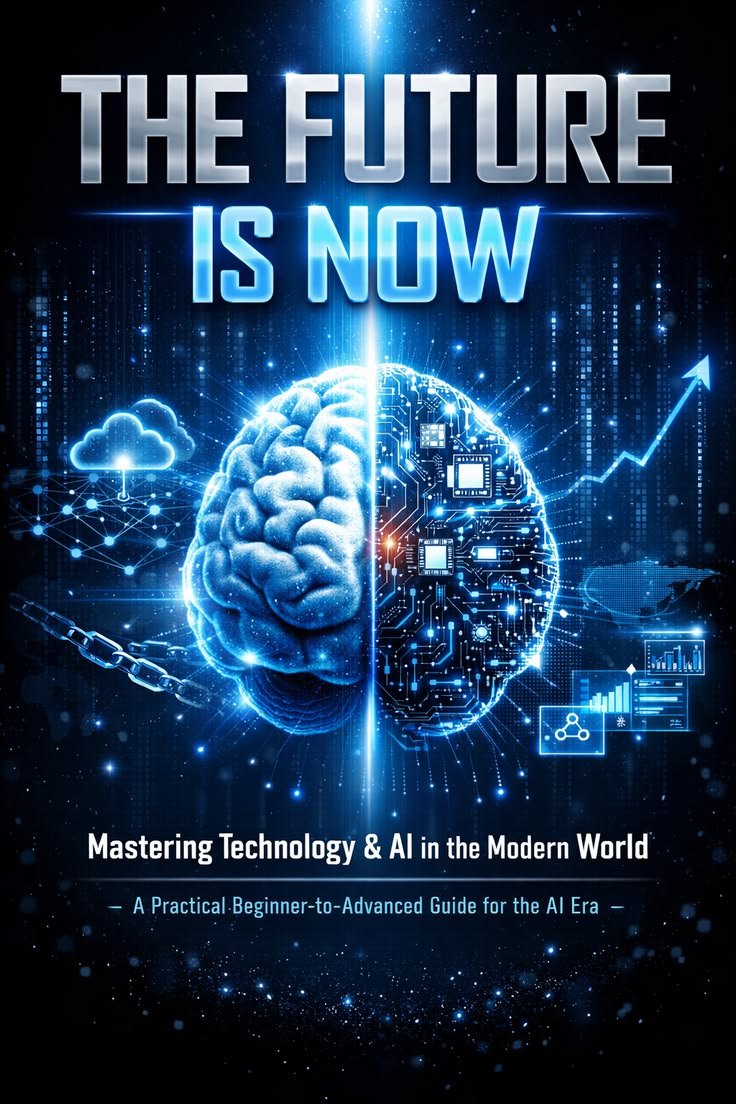
Teachers can use presentations, animations, videos, digital boards, and interactive activities to explain difficult subjects. Online learning platforms allow students to study from home and learn at their own pace. Technology can also help students practice skills through educational applications and online exercises.
However, students need to use technology carefully. The internet contains both useful and unreliable information. Students should learn to check sources and avoid depending on technology for every answer. When used responsibly, technology can support learning and encourage curiosity.
Technology in Healthcare
Healthcare is another field where technology has made major progress possible. Modern hospitals use advanced machines and computer systems to help doctors examine patients, identify diseases, and monitor treatments. Digital records can help healthcare workers organize important information more efficiently.
Medical imaging technologies allow doctors to examine parts of the body without traditional exploratory procedures. Robotic and computer-assisted equipment can support certain medical procedures. Technology also helps researchers study diseases and develop medicines and treatments.
Telemedicine is another useful development. In some situations, patients can communicate with healthcare professionals through digital platforms without travelling long distances. This can be especially helpful for people who live far from major medical centers.
Technology in Business
Modern businesses depend heavily on technology. Computers and software help companies manage information, communicate with employees, prepare documents, track sales, and organize finances. Websites and social media allow businesses to advertise their products to large audiences.
Online shopping has changed the way customers buy products. People can search for items, compare prices, place orders, and make digital payments from home. Small businesses can also use online platforms to reach customers outside their local areas.
Technology has also changed the workplace. Employees can attend online meetings, share files through cloud services, and collaborate with colleagues in different cities or countries. These tools can save time and make communication more flexible.
Technology in Transportation
Transportation has become safer, faster, and more convenient through technological development. Modern cars include systems designed to improve safety and navigation. GPS technology helps drivers find routes and locations. Digital maps can provide directions and information about roads and destinations.
Airplanes and trains use sophisticated computer systems to manage navigation, scheduling, communication, and safety. Online ticketing allows travelers to book journeys without visiting a station or office. Ride-booking applications have also changed the way many people arrange local transportation.
In the future, transportation may continue to change through electric vehicles, improved public transportation, automation, and other innovations.
Technology in Entertainment
Entertainment has changed dramatically because of technology. In the past, people mainly depended on television, radio, books, cinemas, and physical games. Today, smartphones, computers, tablets, and smart televisions provide many forms of entertainment.
People can watch movies and educational videos, listen to music, read digital books, and play games online. Streaming services allow users to access content at convenient times. Video games have also become highly interactive, with realistic graphics and online multiplayer experiences.
Although digital entertainment can be enjoyable, people should maintain a healthy balance. Spending too much time on screens can reduce time for exercise, studies, sleep, and face-to-face communication.
Artificial Intelligence
Artificial intelligence, commonly called AI, is one of the most important developments in modern technology. AI systems can process large amounts of information and perform tasks that may require human-like abilities, such as recognizing patterns, understanding language, answering questions, and analyzing data.
AI is being used in many fields. Businesses can use it to analyze information and improve customer service. Healthcare researchers can use computer systems to study medical data. Students can use AI tools for learning and brainstorming when they follow appropriate academic rules.
AI also creates important questions about privacy, accuracy, employment, and responsible use. People should understand that AI systems can make mistakes and that human judgment remains important.
Advantages of Technology
Technology provides many benefits to individuals and society. It can save time and reduce physical effort. It gives people quick access to information and makes communication easier. It can improve education, healthcare, transportation, business, and entertainment.
Technology can also create new careers and industries. Jobs related to software development, digital marketing, cybersecurity, artificial intelligence, graphic design, and other technological fields have become increasingly important. For young people, learning digital skills can provide opportunities for education and future employment.
Another major advantage is connection. People from different cultures and countries can communicate, exchange ideas, and work together using digital tools. This global connection can support education, business, creativity, and cultural understanding.
Disadvantages and Challenges
Despite its benefits, technology also creates challenges. Excessive screen time can affect daily routines and reduce physical activity. Social media can sometimes create distractions and make it difficult for people to focus on studies or work.
Privacy is another concern. People share large amounts of personal information online, and this information can be misused if accounts are not protected. Cybercrime, scams, hacking, and identity theft are serious digital risks.
Technology can also create dependence. If people rely too heavily on digital systems, they may struggle when those systems fail. Automation may also change some types of jobs, which means workers may need to learn new skills as industries develop.
Responsible Use of Technology
The best way to deal with these challenges is to use technology responsibly. People should protect their passwords, avoid suspicious links, and think carefully before sharing personal information online. Students should manage their screen time and use digital devices for productive purposes as well as entertainment.
It is also important to balance digital activities with real-world experiences. Exercise, family time, reading, outdoor activities, and face-to-face conversations remain important. Technology should support a healthy lifestyle rather than replace important parts of it.
The Future of Technology
The future of technology is full of possibilities. Researchers and engineers are developing new systems in artificial intelligence, robotics, renewable energy, biotechnology, communication, and transportation. Some technologies may help people solve problems related to energy, education, healthcare, and the environment.
Smart homes may become more common, allowing devices to work together automatically. Electric and automated vehicles may change transportation. Advanced communication systems may make it easier for people in different locations to collaborate. However, technological progress should be guided by safety, responsibility, privacy, and the needs of society.
Conclusion
Technology has transformed the modern world and has become an important part of everyday life. It has changed how people communicate, learn, work, travel, receive healthcare, and enjoy entertainment. From smartphones and computers to artificial intelligence and advanced medical equipment, technology continues to create new possibilities.
However, technology is a tool, and its value depends on how people use it. Responsible use can help people enjoy its benefits while reducing its risks. We should learn digital skills, protect our privacy, manage screen time, and use technology for productive and meaningful purposes.
The future will bring even more technological changes. Some of them may be difficult to predict today, but one thing is clear: human creativity will continue to drive innovation. Technology should not simply make life faster; it should help make life better, safer, more connected, and more productive. By combining technological progress with responsible decisions, people can use innovation to build a future filled with knowledge, opportunity, and positive change.


Leave feedback about this