
Sitting at a desk for 8 to 10 hours a day places continuous pressure on your lumbar spine. When you sit for extended periods, your deep core stabilizers turn off, your glutes go dormant, and your hip flexors tighten pulling your pelvis forward and causing dull, aching lower back pain by mid-afternoon.
While taking movement breaks is ideal, back-to-back meetings and tight deadlines often keep you glued to your chair.
The solution is incorporating isometric desk exercises.
Isometric exercises involve contracting specific muscles without moving your joints or spinal column. They allow you to strengthen your deep stabilizing core muscles, activate dormant glutes, and decompress your lower back right from your office chair without breaking a sweat or attracting attention from coworkers.
Here is your step-by-step guide to the best isometric desk exercises to eliminate lower back pain.
What Are Isometric Desk Exercises?
Isometric desk exercises are static muscle contractions performed while seated or standing at your desk. Unlike dynamic exercises (like squats or sit-ups), isometrics hold your joints still while engaging muscle fibers under tension.
To protect your lower back during the workday, perform these four core isometric holds:
-
Seated Abdominal Press: Contracts the deep transverse abdominis to support the lumbar spin
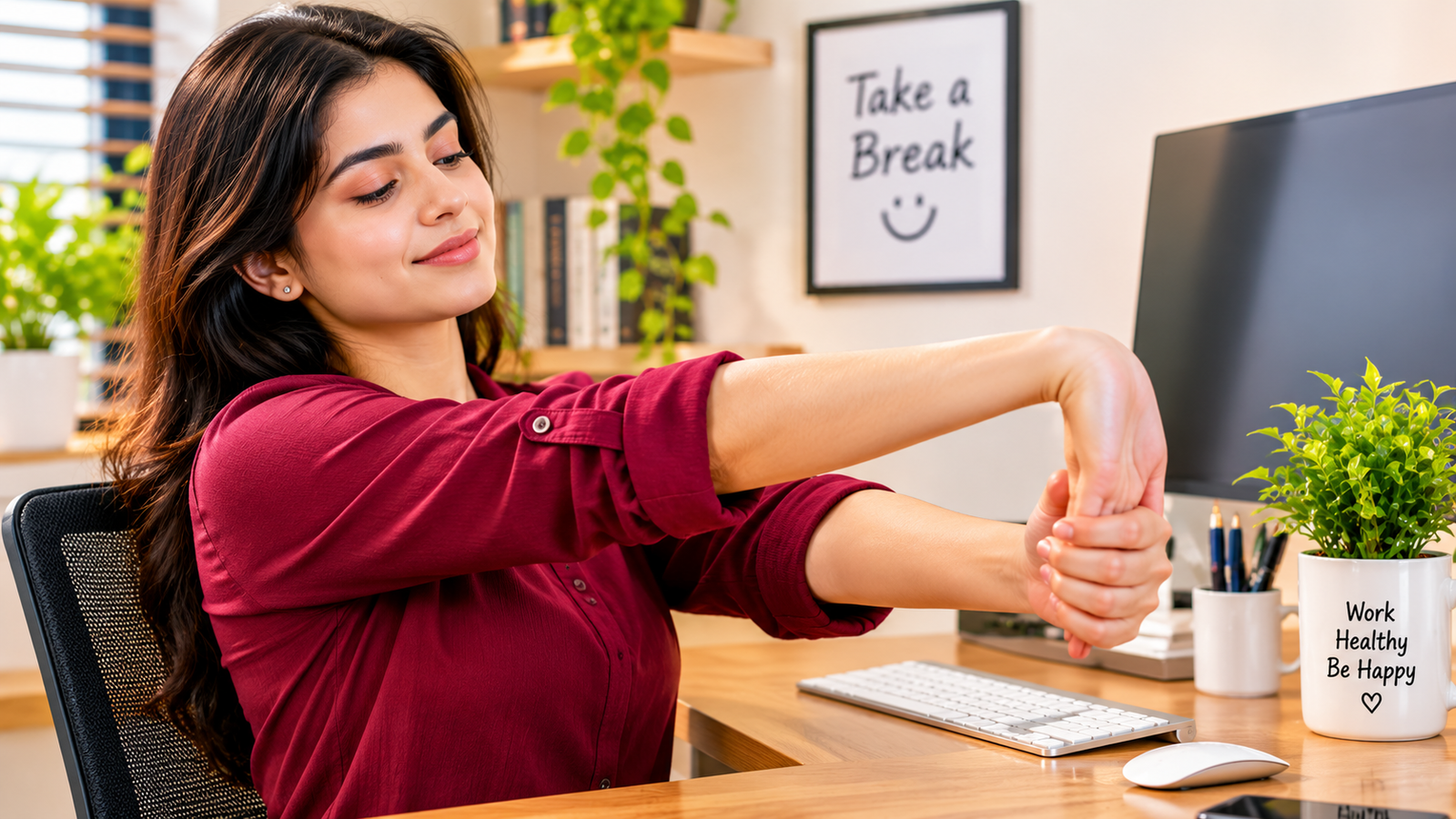 e.
-
Glute Squeezes: Activates dormant hip extenders to relieve lower back pressure.
-
Desk Palm Press: Engages the upper back and core to correct slouched posture.
-
Seated Pelvic Press & Tilt: Realigns pelvis tilt and decompresses lower lumbar discs.
The Four-Exercise Isometric Desk Routine
Perform this routine two to three times throughout your workday to keep your spinal stabilizers active.
| Exercise Name | Target Muscle Group | Hold Duration | Repetitions | Primary Benefit |
| Seated Abdominal Press | Transverse Abdominis (Deep Core) | 10–15 Seconds | 5 Holds | Braces the lower spine against slouching |
| Chair Glute Squeezes | Gluteus Maximus | 10 Seconds | 10 Holds | Wakes up “dead butt syndrome” muscles |
| Desk Palm Press Down | Latissimus Dorsi & Core | 10 Seconds | 5 Holds | Pulls shoulders back & activates torso |
| Seated Thigh Squeeze | Adductors & Pelvic Floor | 10–15 Seconds | 5 Holds | Stabilizes pelvis and hips |
According to ergonomic safety standards published by OSHA Ergonomics Guidelines, combining neutral joint positioning with micro-movements significantly reduces workplace musculoskeletal disorders.
Step-by-Step Exercise Instructions
1. The Seated Abdominal Press (Deep Core Brace)
Your transverse abdominis acts like a natural weight belt wrapped around your midsection. Strengthening this muscle protects your lower back from compressive loads.
-
How to Do It: Sit upright with your feet flat on the floor. Inhale deeply, then exhale while pulling your belly button back toward your spine. Press your hands flat against the top of your thighs. Try to push your thighs up into your hands while pushing down with your hands.
-
The Isometric Action: Hold the push for 10 to 15 seconds while continuing to breathe normally. Relax and repeat 5 times.
-
Why It Works: It creates intra-abdominal pressure that takes direct physical weight off your lumbar discs.
2. Chair Glute Squeezes (Glute Activation)
Prolonged sitting causes “gluteal amnesia,” where your glute muscles stop firing correctly. When glutes go dormant, your lower back muscles are forced to overwork to keep you upright.
-
How to Do It: Sit straight in your office chair with your knees bent at a 90-degree angle. Squeeze both glute muscles together as tightly as possible without lifting off your seat.
-
The Isometric Action: Hold the max contraction for 10 seconds, feeling your body rise slightly in the chair. Release slowly. Complete 10 repetitions.
-
Why It Works: Restores neuromuscular connection to your glutes, taking stress off your hamstrings and lower back.
3. The Under-Desk Palm Press (Posture Corrector)
Slouching forward stretches and weakens the upper back muscles while shortening your chest muscles, leading to rounding in the lower back.
-
How to Do It: Sit close to your desk. Place your palms flat under the underside of your desk (or on top of your armrests).
-
The Isometric Action: Press upward into the bottom of the desk as if trying to lift it, while pulling your shoulder blades down and back. Hold for 10 seconds, then release.
-
Why It Works: Engages your lats and middle trapezius muscles, pulling your spine back into natural alignment.
For comprehensive physical health and posture advice, explore Mayo Clinic’s Office Ergonomics Guide.
How to Set Up Your Chair for Isometric Success
Isometric exercises work best when paired with proper desk ergonomics:
-
Keep Feet Flat on the Floor: Dangling feet tilt your pelvis forward. Use a footrest if your desk height cannot be adjusted.
-
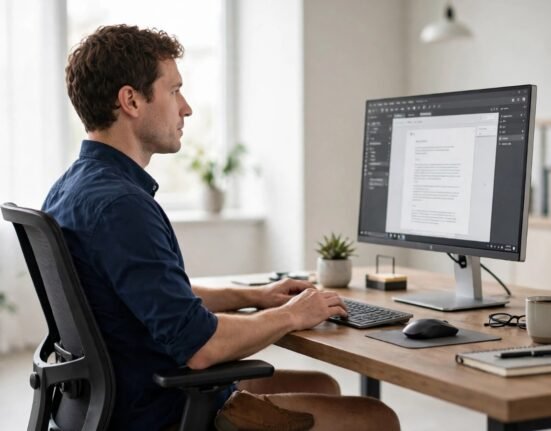
Support Your Lumbar Curve: Position your chair’s lumbar support directly in the small curve of your lower back.
-
Keep Knees Level with Hips: Adjust your seat height so your knees are at or slightly below hip level to prevent hip flexor tightness.
Set up your physical home office setup correctly with our recommendations on budget ergonomic workstation gear for renters small apartments.
Fuel your body with anti-inflammatory nutrition by exploring our low-fodmap meal prep ideas busy professionals.
If you work long remote hours, manage your workload effectively with our async communication playbook distributed remote teams.
For research papers on spinal biomechanics and core stabilization, visit the National Institutes of Health (NIH) PMC Database.


Leave feedback about this