
Sitting for prolonged hours at a desk or in front of screens has become the norm for millions of people. While hitting a traditional gym for an hour is helpful, staying active throughout the entire day plays a far more significant role in long-term cardiovascular health, metabolic strength, and energy levels.
If you struggle to find time for formal workouts, tracking and increasing your daily steps is one of the simplest ways to stay active. You do not need expensive gym memberships, specialized exercise equipment, or hours of free time.
Below is a practical guide on how to increase daily steps without gym sessions through seamless, easy daily habits.
1. Why Daily Steps Matter More Than Gym Workouts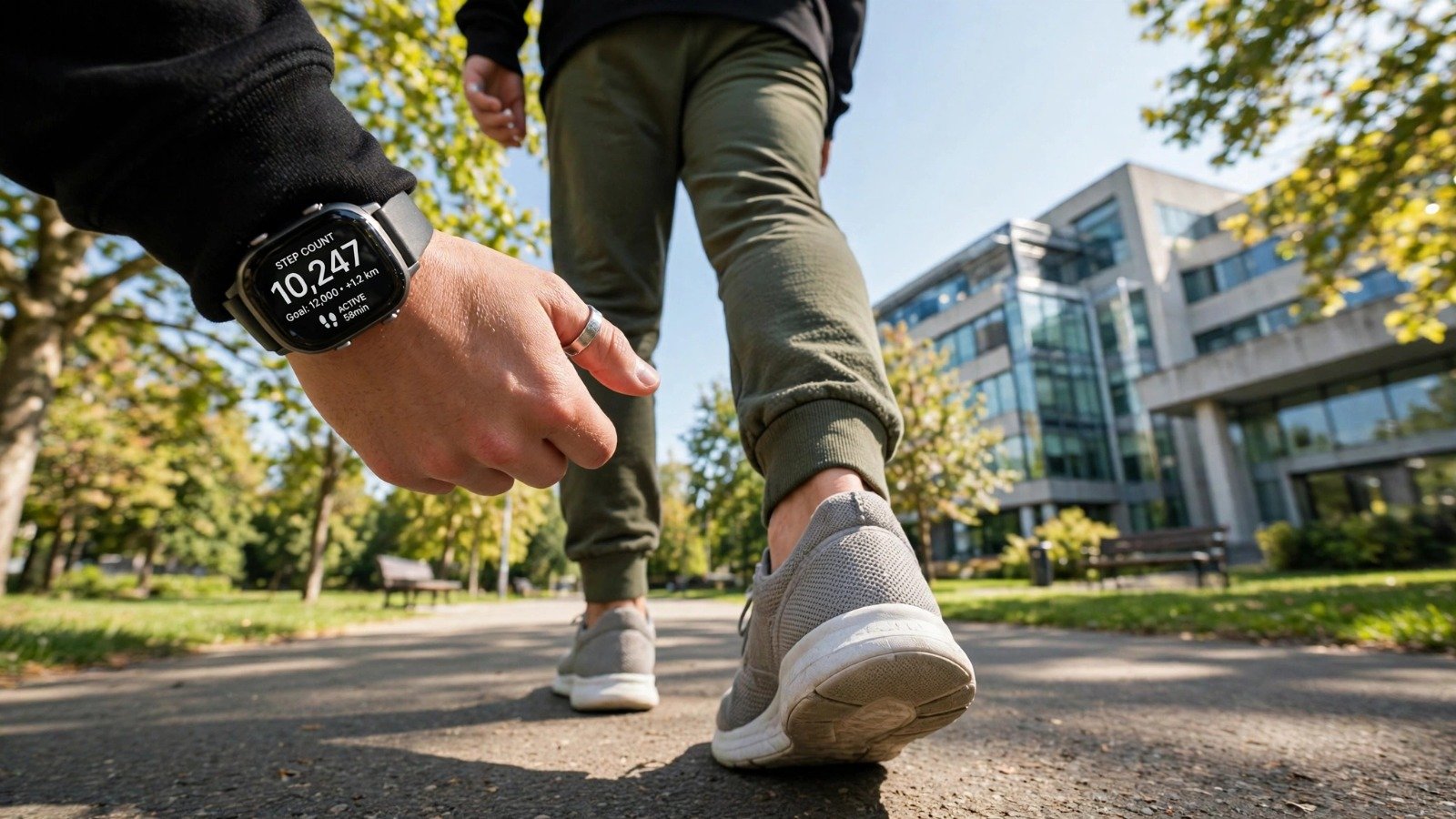
Many people assume that spending 45 minutes on a treadmill cancels out 8 hours of continuous sitting. However, health research shows that frequent, low-intensity movement scattered across your day offers distinct health advantages.
-
Non-Exercise Activity Thermogenesis (NEAT): NEAT refers to the energy burned during everyday activities like walking, standing, and moving around. It accounts for a much larger portion of your daily calorie burn than formal exercise.
-
Reduced Joint Stiffness: Regular walking keeps lower back muscles active and prevents hip flexor tightness caused by sitting.
-
Steady Energy Levels: Short walks prevent afternoon energy dips and improve blood sugar regulation after eating.
Building regular active movement habits goes hand-in-hand with minimizing physical strain at work, similar to strategies outlined in how to stop digital eye strain.
2. Practical Ways to Add Steps During the Workday
If you work a sedentary desk job, you can easily add 2,000 to 4,000 extra steps during office hours without losing productivity.
| Habit Swap | Traditional Habit | Active Habit Swap | Added Steps (Approx.) |
| Phone Calls | Sitting at your desk during calls | Pacing around the room or hallway | +500 to 1,000 steps per call |
| Elevators | Taking the lift for 1-3 floors | Taking the stairs | +200 to 400 steps per trip |
| Short Distance errands | Driving to nearby stores | Walking for quick errands under 10 minutes | +1,000 to 1,500 steps |
| Workplace Chats | Sending emails across the office | Walking to your colleague’s desk | +100 to 300 steps per chat |
3. Step-by-Step Daily Habit Routines
Integrating movement into your daily rhythm requires small, repeatable habit adjustments:
[ Post-Meal Walk ] ──> [ Hourly Micro-Breaks ] ──> [ Walking Phone Calls ] ──> [ Evening Wind-Down Walk ]
A. Take a 10-Minute Walk After Meals
Walking for just 10 minutes after lunch or dinner adds roughly 1,000 steps per stroll while significantly improving digestion and lowering post-meal blood sugar spikes.
B. Set Hourly 5-Minute Movement Reminders
Set a silent chime on your smartwatch or phone. Every hour, stand up and walk around your office or home for 5 minutes. Over an 8-hour workday, this adds up to 40 minutes of total walking time.
C. Park Farther Away
Whether going to the grocery store, office, or mall, park at the far end of the parking lot. This effortless switch guarantees extra steps every time you leave your house.
Integrating light physical activity during the day also supports evening relaxation and aligns well with simple habits for better sleep hygiene. Even maintaining your daily tracking tech matters, as covered in how to clean smartphone charging port safely.
Want More Insights to Grow Your Digital Presence & Daily Productivity?
Whether you need to fix your website’s technical performance or build a smarter, burnout-free work routine, NewsUpTo delivers practical guides to keep you ahead.




Leave feedback about this