

Creating high-quality website content is only half the battle in modern digital marketing. If your web pages are not properly structured, search engines will struggle to index them, and potential readers will click away within seconds.
Learning how to optimize website content bridges the gap between creating great information and ensuring it reaches your target audience. By aligning your text, images, and structure with search engine guidelines and user intent, you can significantly increase organic traffic and reader engagement.
1. Align Content with Search Intent
Before writing or editing a single paragraph, you must understand why users are searching for your target topic. Search intent falls into four primary categories:
-
Informational: The user wants to learn about a topic (e.g., “how to optimize website content”).
-
Navigational: The user is searching for a specific site or page (e.g., “NewsUp SEO guide”).
-
Commercial Investigation: The user is comparing options before buying (e.g., “best content optimization tools”).
-
Transactional: The user is ready to complete a purchase or sign up (e.g., “buy SEO audit software”).
Match your page format directly to the search intent. If top-ranking pages for your topic are step-by-step guides, do not publish a short product sales page.
2. Conduct Strategic Keyword Integration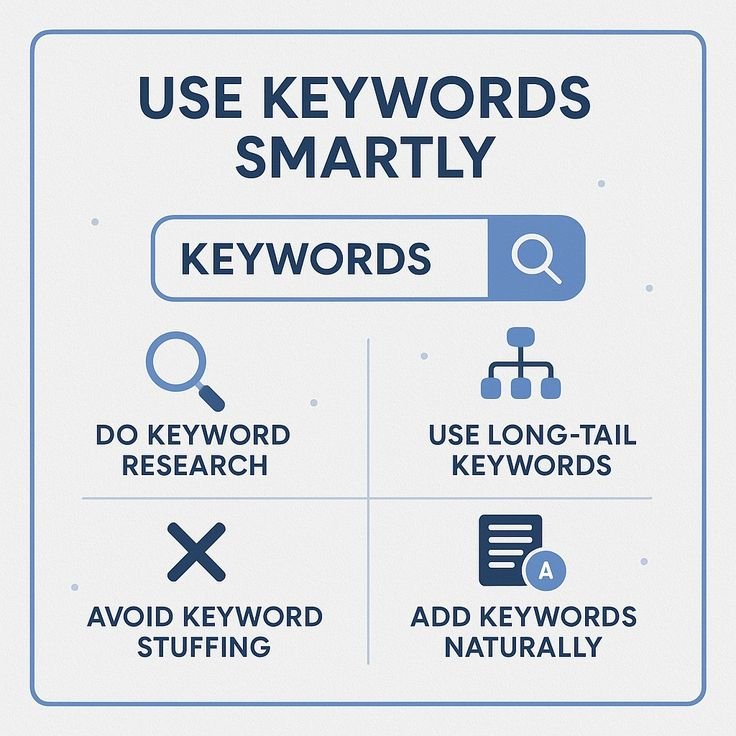
Keyword optimization is no longer about repeating exact-match phrases a set number of times. Modern search algorithms rely on semantic understanding, context, and topical depth.
Where to Place Your Keywords Naturally
-
Title Tag (H1): Include your primary keyword near the beginning of the title.
-
First 100 Words: Introduce your primary term naturally within the introductory paragraph.
-
Subheadings (H2, H3): Use primary and secondary variations in logical section headers.
-
Meta Description: Craft a compelling 140 to 160-character summary containing your main topic phrase.
-
URL Slug: Keep your URL slug short, lowercase, hyphenated, and keyword-focused.
Developing structured digital marketing strategies helps ensure every page on your site targets a distinct search query without creating keyword cannibalization.
3. Structure for Maximum Readability and Engagement
Web readers rarely read every word on a page; they scan headings, lists, and visual elements to find specific answers quickly.
Essential Formatting Rules
-
Keep Paragraphs Short: Limit paragraphs to 2 to 4 sentences to prevent dense walls of text.
-
Use Bullet Points and Numbered Lists: Break down complex processes, specs, or options into easy-to-read lists.
-
Bold Important Terms: Highlight core insights and important link anchors to guide skimmers.
-
Incorporate Data Tables: Use comparison tables when evaluating features, costs, or options.
Integrating proven SEO content creation practices ensures your writing remains engaging for human readers while satisfying technical crawling requirements.
4. On-Page Optimization Checklist
Applying a systematic checklist across every published article ensures consistency and technical precision.
| Optimization Area | Target Action | Primary Benefit |
| Title Tag & H1 | Place primary keyword early; keep under 60 characters. | Improves click-through rates and search relevance. |
| Meta Description | Write a clear summary with a call to action (140-160 chars). | Increases search result visibility and organic clicks. |
| Heading Structure | Use a logical hierarchy (H2 for main sections, H3 for subtopics). | Helps search engines parse page topics easily. |
| Image Optimization | Compress file sizes and write descriptive alt text. | Accelerates page load speeds and boosts Image Search traffic. |
| Internal Linking | Add 2 to 5 relevant internal links using descriptive anchor text. | Distributes page authority and keeps readers on site longer. |
5. Optimize for AI Search and Answer Engines
With search engines increasingly serving direct answers on results pages, content must be formatted for extractability.
Structure definition blocks clearly under direct heading questions. Use self-contained statements and clear data points so artificial intelligence tools and answer panels can cite your domain directly.
Reviewing a comprehensive generative engine optimization guide will provide deeper tactics for ranking in modern conversational AI interfaces.
For more in-depth technology guides, actionable digital strategies, and real-time industry updates, explore our full library at newsupto.com.


Leave feedback about this