
Rising food prices can quickly strain your monthly finances. Walking down grocery aisles without a plan often leads to impulse purchases, expensive pre-packaged items, and wasted food sitting in your refrigerator.
Fortunately, cutting your food bill does not mean eating bland meals or spending hours clipping paper coupons. By adopting a few smart shopping habits, you can slash your grocery spending significantly.
Below is a complete, beginner-friendly guide covering how to save money on groceries on a tight budget, complete with meal planning tips and store navigation strategies.
1. Plan Your Meals Before Visiting the Store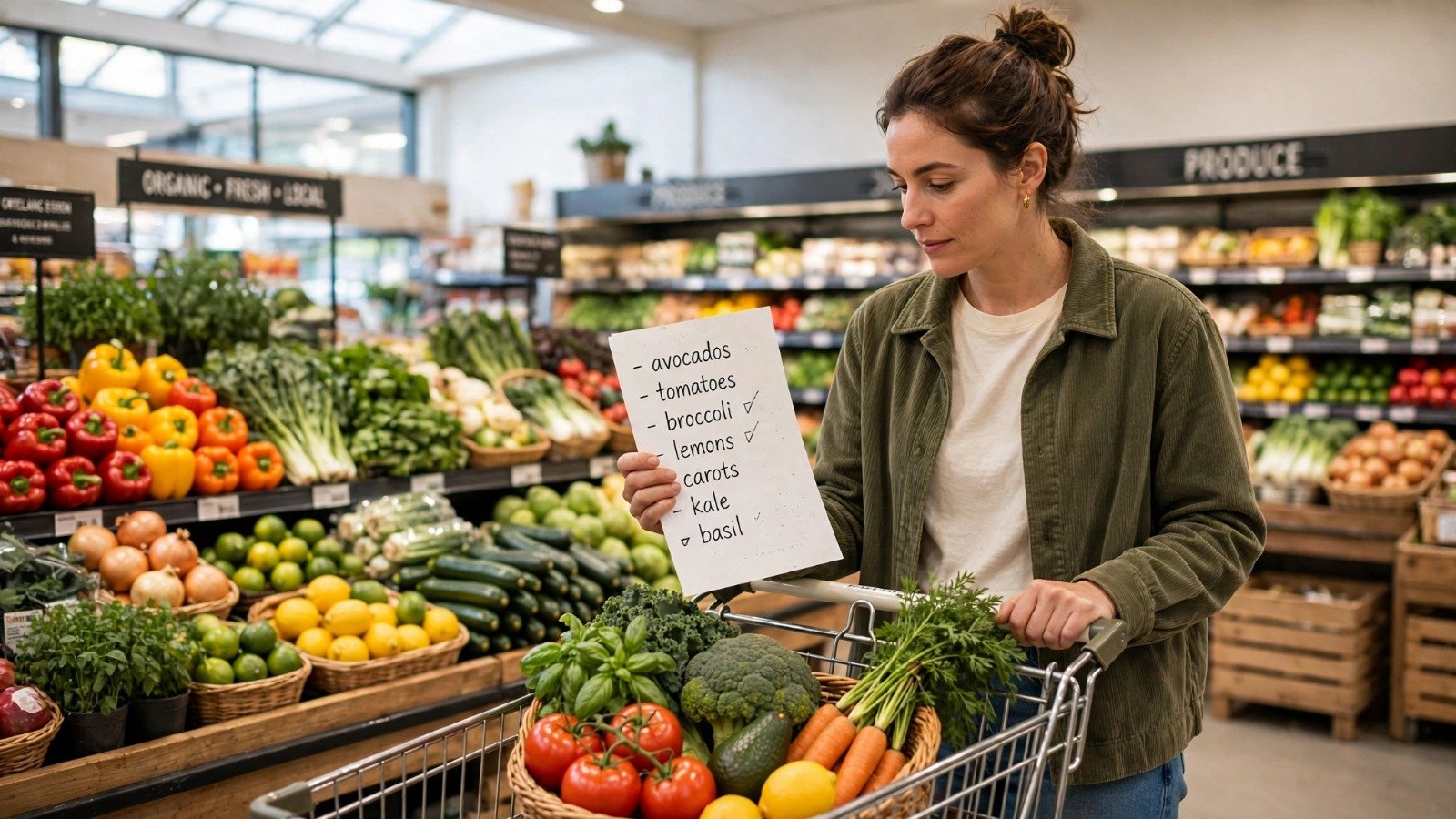
Impulse buying is the single biggest driver of high grocery bills. Walking into a supermarket without a meal plan forces you to guess what you need, leading to unnecessary purchases.
-
Check Your Pantry First: Before writing your list, check what ingredients you already have in your fridge and cupboards to avoid buying duplicate items.
-
Plan 5 to 7 Dinners: Map out simple dinners for the week using overlapping ingredients so nothing goes to waste.
-
Write Down a Strict Shopping List: Transfer your meal ingredients onto a digital or paper list and commit to buying only what is written down.
[ Check Pantry Inventory ] ──> [ Plan Weekly Meals ] ──> [ Write Strict Shopping List ] ──> [ Stick to List ]
2. Smart Strategies While Inside the Store
Once you arrive at the supermarket, implementing a few psychological and tactical rules keeps your cart budget-friendly.
-
Never Shop While Hungry: Shopping on an empty stomach makes everything look appetizing, resulting in impulse snacks ending up in your cart.
-
Choose Generic Store Brands: Name-brand items often cost 20% to 30% more than store-brand equivalents while offering the exact same quality and nutrition.
-
Shop the Outer Aisles First: Fresh produce, dairy, and grains are usually located along the perimeter of the store, while processed convenience foods fill the middle aisles.
-
Compare Unit Prices: Look at the small price-per-ounce or price-per-pound label on the shelf to see which package truly offers the best value.
| Shopping Strategy | Traditional Approach | Budget-Friendly Approach |
| Brand Choice | Buying famous name brands | Choosing store-brand equivalents |
| Meal Prep | Buying pre-cut or prepared foods | Buying whole ingredients and chopping at home |
| Shopping State | Shopping spontaneously when hungry | Shopping with a rigid list after eating |
Additionally, pairing your grocery savings strategy with effective daily tracking habits like how-to-track-daily-expenses-easily helps you monitor your overall monthly cash flow. Furthermore, organizing your finances using methods from how-to-make-a-zero-based-budget ensures every dollar has a designated purpose.
3. Habits to Prevent Food Waste at Home
Buying food is only half the battle; throwing away spoiled ingredients is essentially throwing away cash.
Step 1: Store Produce Correctly
Learn how to store fruits and vegetables properly (such as keeping leafy greens dry with paper towels) so they last longer in your refrigerator.
Step 2: Designate a Leftover Night
Designate one night per week as a “clear-out night” to eat leftover meals before cooking something brand new.
Step 3: Freeze Extra Ingredients
If you buy perishable items like bread, meat, or fresh berries in bulk, freeze half immediately to prevent spoilage.
Furthermore, keeping your financial goals organized and stress-free connects smoothly with habits covered in how-to-build-an-emergency-fund-from-scratch.
Want More Insights to Grow Your Digital Presence & Daily Productivity?
Whether you need to fix your website’s technical performance or build a smarter, burnout-free work routine, NewsUp To delivers practical guides to keep you ahead.






Leave feedback about this