

Simple Ways to Build a Strong Financial Future.
Managing money is an important part of everyday life. Whether someone earns a regular salary, runs a business, works independently, or is still building their career, understanding personal finance can help them make better financial decisions. Good financial management is not only about earning more money. It is also about knowing how to manage income, control expenses, prepare for unexpected situations, and plan for future goals.
Many people avoid financial planning because they believe it is complicated. In reality, basic financial management can begin with simple habits. Creating a budget, tracking expenses, saving regularly, understanding debt, and setting clear financial goals can make money management easier.
In a world where prices, technology, and financial services continue to change, financial awareness has become increasingly important. Learning the basics of personal finance can help people make informed decisions and build greater financial stability over time.
Understanding Personal Finance
Personal finance refers to the way individuals manage their money and financial resources. It includes income, spending, saving, borrowing, investing, insurance, and planning for future needs.
Every person has different financial circumstances. Someone may be focused on paying for education, while another person may be saving for a home, starting a business, or preparing for retirement.
There is no single financial plan that works for everyone. The important thing is to understand personal goals and create a strategy that matches individual circumstances.
Financial planning can also change over time. A person’s income, expenses, responsibilities, and priorities may be different at different stages of life. Regularly reviewing a financial plan can therefore be useful.
Creating a Realistic Budget
A budget is one of the simplest tools for managing money. It provides an overview of how much money comes in and where that money goes.
To create a budget, start by listing regular sources of income. Then record essential expenses such as housing, food, transportation, education, utilities, and other necessary costs.
After that, consider flexible expenses such as entertainment, shopping, dining out, and subscriptions. Comparing income with expenses can help identify where money is being spent.
A realistic budget should not be so restrictive that it becomes impossible to follow. Instead, it should provide a practical balance between essential expenses, savings, and personal spending.
Tracking Everyday Expenses
Small purchases can sometimes become significant when they are repeated frequently. A coffee, snack, subscription, or online purchase may seem inexpensive individually, but several small expenses can add up over a month.
Tracking expenses helps reveal spending patterns. People can use a notebook, spreadsheet, budgeting application, or other method that works for them.
The purpose of tracking is not to feel guilty about spending. It is to understand where money is going and decide whether spending matches personal priorities.
Once spending patterns are clear, it becomes easier to identify areas where adjustments may be useful.
Building an Emergency Fund
Unexpected expenses can create financial pressure. Medical costs, urgent repairs, temporary loss of income, or other unexpected situations can happen without warning.
An emergency fund is money set aside specifically for unexpected needs. Even starting with a small amount can be useful.
The appropriate size of an emergency fund depends on individual circumstances, including income, expenses, employment stability, and financial responsibilities.
The key idea is to keep emergency savings separate from money intended for everyday spending. This can make it easier to access funds when a genuine emergency occurs.
Developing a Saving Habit
Saving money becomes easier when it is treated as a regular habit rather than something done only when extra money is available.
One approach is to decide on a specific amount or percentage of income to save regularly. Automatic transfers can make this process easier because the money is moved into savings before it is spent.
Savings can be divided according to different goals. For example, someone may have separate savings for emergencies, education, a future purchase, travel, or another long-term goal.
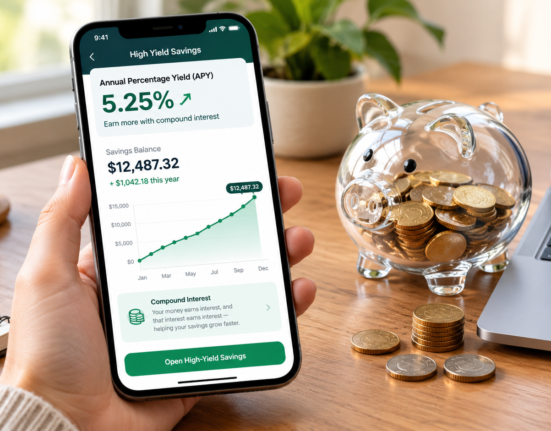
Even small amounts can become meaningful when saving is consistent over time.
Understanding Debt
Borrowing money can sometimes be useful, but debt also creates financial responsibilities. Loans and credit products usually involve repayment terms, interest, fees, or other conditions.
Before taking on debt, it is important to understand how much will need to be repaid and how the payments fit into the budget.
People should carefully read the terms of financial products and avoid making decisions based only on advertisements or promotional offers.
Managing existing debt also requires organization. Keeping track of payment dates and outstanding balances can help reduce the risk of missed payments and additional costs.
Setting Financial Goals
Financial goals give money management a clear purpose. Without specific goals, it can be difficult to decide how much to save or where to reduce spending.
Goals can be short-term, medium-term, or long-term.
A short-term goal might involve saving for an upcoming expense. A medium-term goal could involve purchasing equipment for a business or paying for education. Long-term goals may include buying a home or preparing for retirement.
A useful goal should be specific and realistic. Instead of simply saying “I want to save money,” a person can identify what they are saving for and establish a target amount and timeframe.
Learning About Investing
Saving and investing are different concepts. Savings are generally intended to remain accessible, while investments are made with the expectation that their value may grow over time, although investments can also lose value.
There are many types of investments, including shares, bonds, funds, and other assets. Each has different levels of risk and potential return.
Before investing, people should learn how the investment works, understand the risks, consider fees, and make sure the decision fits their financial circumstances and goals.
It is also important not to invest money that is needed for immediate essential expenses.
Financial education can help people understand investment concepts before making decisions.
Avoiding Financial Scams
As financial services become increasingly digital, people also need to be aware of scams and fraudulent schemes.
Scammers may use fake investment opportunities, misleading messages, impersonation, or promises of unusually high returns. Some may create pressure by claiming that an opportunity is available only for a limited time.
People should be cautious when someone asks for sensitive financial information, passwords, verification codes, or money unexpectedly.
Before using a financial service, it is wise to verify that the provider is legitimate and carefully review official information.
Being financially educated also means understanding basic online safety.
The Importance of Financial Education
Financial education can help people make more informed decisions. Understanding concepts such as interest, inflation, budgeting, credit, taxes, savings, and investment risk can make financial choices easier to evaluate.
Financial knowledge does not require becoming an expert in economics. Learning basic concepts and developing good habits can already make a meaningful difference.
People can improve their financial knowledge through books, educational websites, courses, workshops, and trustworthy financial institutions.
It is also useful to compare information from reliable sources rather than depending on a single social media post or online recommendation.
Managing Money in the Digital Age
Technology has made many financial tasks more convenient. Mobile banking, digital payments, online statements, budgeting applications, and electronic transfers allow people to manage money from their phones or computers.
Digital tools can also make it easier to monitor spending and organize financial information.
However, convenience also creates security responsibilities. Strong passwords, secure devices, careful handling of verification codes, and awareness of suspicious messages are important when using digital financial services.
People should also regularly review their financial accounts and report suspicious activity through appropriate official channels.
Planning for the Future
Financial planning is not only about managing today’s expenses. It also involves thinking about future needs.
As income changes, people may need to adjust their budgets, savings goals, insurance arrangements, and other financial plans.
Long-term planning can provide a clearer picture of what resources may be needed in the future. Starting early can also give people more time to build savings and learn about different financial options.
However, future planning should remain flexible because circumstances can change.
Financial Discipline and Consistency
Good financial management often depends more on consistency than on one-time actions. Creating a budget once is useful, but reviewing it regularly is more effective.
Similarly, saving a large amount once may be less sustainable than developing a regular saving habit that can continue for years.
Financial discipline does not mean avoiding every enjoyable purchase. It means understanding priorities and making spending decisions intentionally.
A balanced approach can allow people to meet essential needs, work toward financial goals, and still enjoy their money responsibly.
Common Financial Mistakes
Several common mistakes can make financial management more difficult. Spending without tracking expenses, relying heavily on unnecessary debt, failing to maintain emergency savings, and making financial decisions without understanding the terms are examples.
Another mistake is comparing personal finances with other people’s lifestyles. Social media often shows selected parts of people’s lives and may not represent their complete financial situation.
Financial decisions should therefore be based on personal circumstances rather than external appearances.
Conclusion
Personal finance is an important life skill that can help people manage money with greater awareness and confidence. A strong financial foundation can begin with simple steps such as creating a realistic budget, tracking expenses, building emergency savings, understanding debt, and setting clear goals.
As financial technology continues to develop, people also need to improve their digital and financial knowledge. Understanding risks, protecting personal information, and checking financial information carefully can help prevent costly mistakes.
There is no perfect financial plan for everyone. The most useful approach is one that matches personal income, responsibilities, goals, and circumstances. With consistent habits, financial education, and thoughtful planning, people can work toward greater financial stability and prepare themselves for future opportunities and challenges.





Leave feedback about this