

As cryptocurrency adoption expands, scammers continuously develop new methods to compromise user privacy and exploit digital assets. One tactic that frequently surprises wallet owners is receiving unsolicited, microscopic amounts of cryptocurrency from unknown addresses.
This activity is known as a crypto dusting attack. While receiving free crypto might sound harmless at first, these tiny transfers are often strategic attempts to trace wallet movements and link anonymous addresses to real-world identities.
Below is a complete, beginner-friendly guide explaining what a crypto dusting attack is, how it works, and what practical steps you can take to keep your wallet secure.
1. What Is Crypto “Dust”?
In cryptocurrency, dust refers to a tiny amount of a coin or token that is so small it is worth far less than the transaction fee required to spend it.
-
Fractional Value: On networks like Bitcoin or Ethereum, dust might equal a single Satoshi (0.00000001 BTC) or a fraction of a cent in ERC-20 tokens.
-
Leftover Balances: Dust naturally accumulates in trading accounts when small fractional remainders are left over after completing trades.
-
Malicious Distribution: When hundreds or thousands of wallet addresses receive tiny fractions of crypto simultaneously from an unknown source, a dusting campaign is taking place.
2. How Does a Crypto Dusting Attack Work?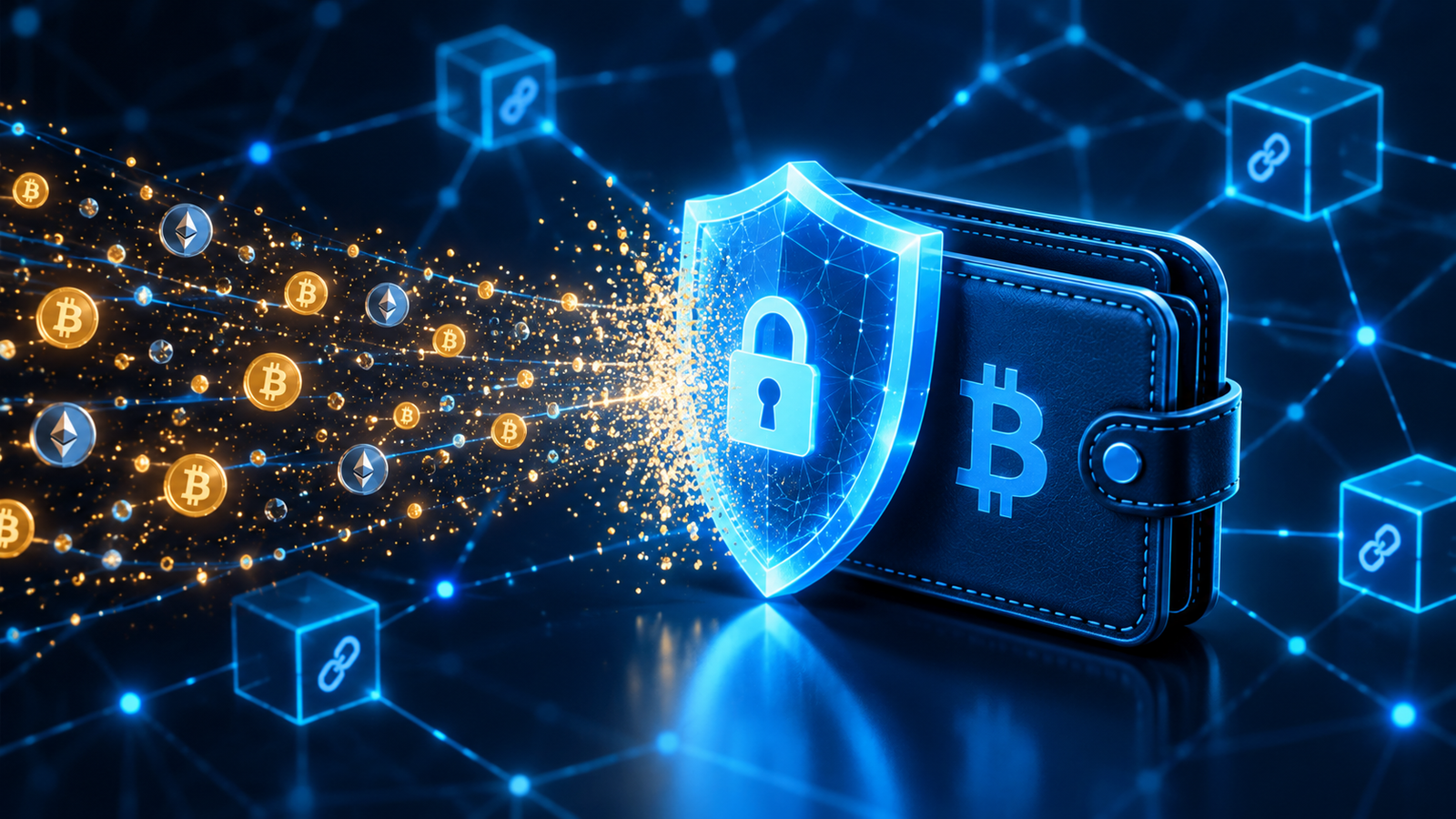
Dusting attacks rely on the transparent, public nature of blockchain ledgers to compromise user anonymity.
Step 1: Mass Distribution
Attackers generate automated scripts to send tiny amounts of crypto dust to thousands of active public wallet addresses on public blockchains like Bitcoin, Litecoin, or BNB Chain.
Step 2: Tracking Transaction Paths
Once the dust lands in your wallet, the attacker monitors that specific wallet address on a public block explorer.
Step 3: Combined Spending (The Trap)
If you inadvertently spend or transfer that dust alongside your regular funds in a future transaction, the dust joins a larger transaction output.
Step 4: De-Anonymization and Target Profile
By analyzing how transaction paths combine on the blockchain, attackers can trace connected wallet addresses back to a single owner or centralized exchange account. Once identity links are established, scammers target victims through targeted phishing emails, phone scams, or extortion attempts.
To understand how underlying network speed and transaction structures function, explore our layer 1 vs layer 2 blockchain simple explanation.
3. Dusting Attack Security Myths vs. Real Risks
It is helpful to separate actual security threats from common misunderstandings regarding dusting attacks:
-
Myth: Receiving dust gives the attacker direct control or remote access to steal the rest of your wallet balance.
-
Fact: Receiving an incoming transfer on a public blockchain cannot grant access to your private keys or seed phrase.
-
-
Myth: You should immediately interact with or send the dust back to clear your wallet.
-
Fact: Interacting with unknown tokens or signing smart contract approvals associated with dust tokens is dangerous and can drain funds.
-
-
Real Risk: The true threat of a dusting attack is privacy erosion. By linking your wallet addresses, attackers weaken your online anonymity and prepare targeted phishing attacks.
4. How to Protect Your Wallet from Dusting Attacks
Defending against dusting attacks involves basic wallet management and privacy practices:
| Safety Action | How It Protects You |
| Ignore Unknown Dust | Leaving dust untouched prevents attackers from tracing your combined transaction paths |
| Use UTXO Coin Control | Advanced wallets allow you to mark specific dust outputs as “Do Not Spend” |
| Never Sign Unknown Smart Contracts | Interacting with suspicious custom tokens on DEXs can trigger malicious wallet drainers |
| Use Hierarchical Deterministic (HD) Wallets | HD wallets generate fresh receiving addresses for every transaction, boosting privacy |
| Use VPNs for Web3 Browsing | Hides your IP address when connecting your wallet to network nodes and block explorers |
When trading tokens or monitoring market depth across exchanges, review essential trading mechanics in what is crypto market cap vs trading volume and what is a crypto limit order vs market order.
Want More Insights to Grow Your Digital Presence & Daily Productivity?
Whether you need to fix your website’s technical performance or build a smarter, burnout-free work routine, NewsUpTo delivers practical guides to keep you ahead.





Leave feedback about this