

Dietary fiber is one of the most essential nutrients for long-term health, yet many adults fall short of the recommended daily intake. Fiber plays a vital role in regulating digestion, supporting gut health, stabilizing blood sugar levels, and maintaining steady daily energy.
Increasing your fiber intake does not require a complete diet overhaul or restrictive meal plans. Small, intentional adjustments to your daily meals can significantly increase your fiber total without feeling overwhelming.
Below is a practical guide covering easy ways to get more fiber in diet through simple food swaps, smart habits, and digestive care.
1. Simple Grain and Breakfast Swaps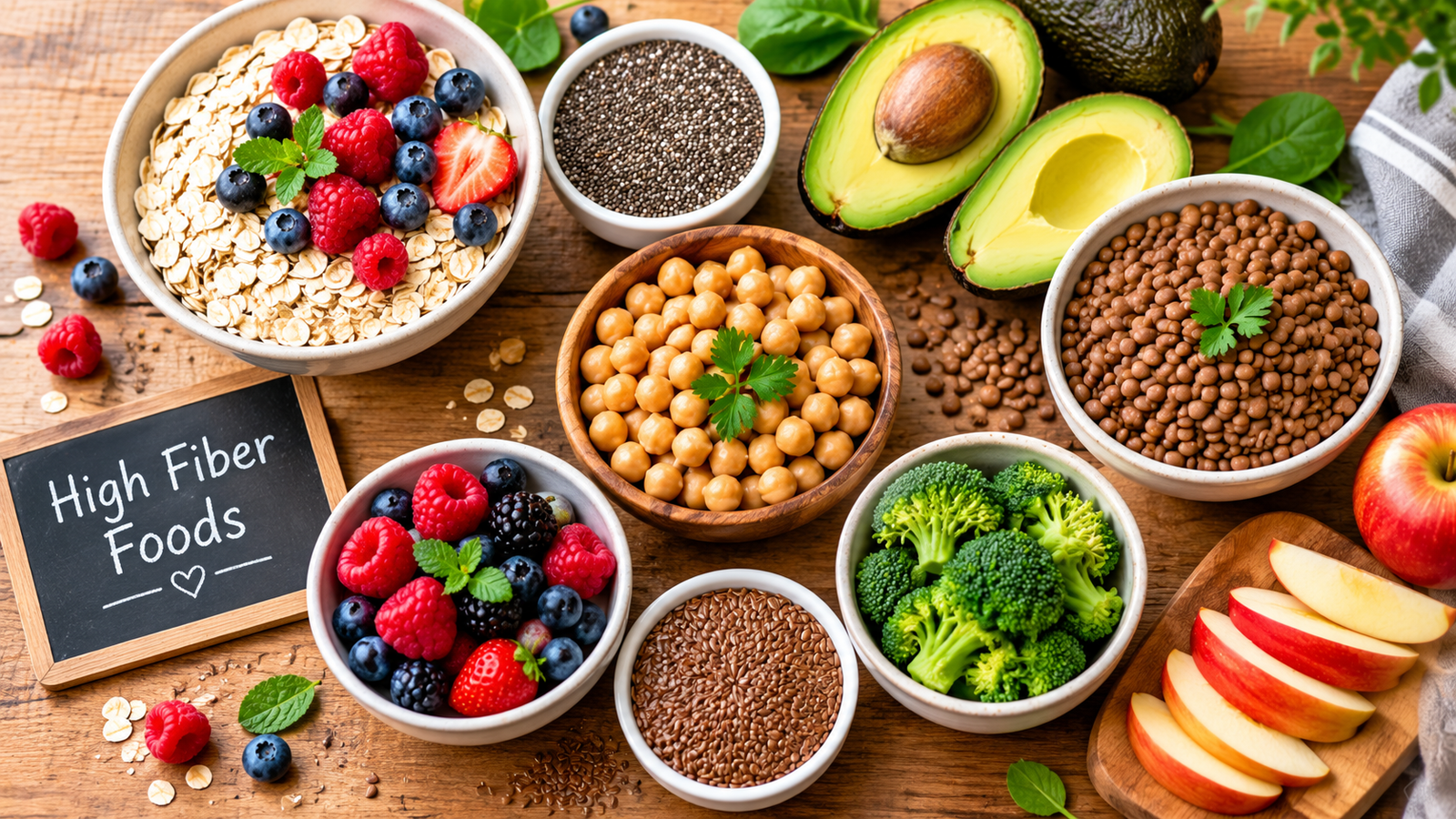
Breakfast and staple sides offer some of the easiest opportunities to add fiber to your day.
-
Switch to Whole Grains: Replace white bread, white rice, and standard pasta with 100% whole wheat bread, brown rice, quinoa, or whole-grain pasta.
-
Start with Oatmeal: A warm bowl of rolled oats or steel-cut oats provides soluble fiber (beta-glucan), which aids cholesterol management and keeps you full longer.
-
Boost Cereals with Seeds: Sprinkle a tablespoon of chia seeds, ground flaxseeds, or hemp seeds over your morning cereal or Greek yogurt for an instant 3 to 5 grams of fiber.
2. Upgrade Your Produce Habits
Fruits and vegetables are naturally rich in both soluble and insoluble fiber, provided they are eaten in their whole form.
-
Keep the Skins On: Whenever possible, leave the skin on apples, pears, peaches, and potatoes. The outer peel contains a high concentration of the plant’s total fiber.
-
Eat Whole Fruits Instead of Drinking Juice: Fruit juice removes beneficial structural pulp, leaving mostly sugar behind. Eating a whole orange or apple delivers full fiber benefits along with natural hydration.
-
Add Berries to Snacks: Raspberries and blackberries are among the highest-fiber fruits available, offering roughly 8 grams of fiber per cup.
Combining high-fiber produce with desk-friendly options covered in healthy anti inflammatory snacks for work provides sustained mental focus throughout long workdays.
3. Incorporate Legumes into Main Dishes
Beans, lentils, and chickpeas are nutritional powerhouses packed with fiber, plant protein, and essential minerals.
-
Stretch Meat Dishes with Lentils: Mix cooked brown lentils or black beans into ground meat when preparing tacos, pasta sauces, or chili. This boosts fiber while cutting down on saturated fats.
-
Add Chickpeas to Salads: Toss a handful of rinsed, canned chickpeas or kidney beans into your lunch salad or grain bowl for immediate satiety.
-
Enjoy Bean-Based Dips: Pair whole-grain crackers or raw vegetables with hummus or black bean dip for a satisfying afternoon snack.
4. Hydration and Gradual Increase Tips
When increasing dietary fiber, taking a gradual approach protects against temporary digestive discomfort.
-
Increase Intake Slowly: Adding too much fiber too quickly can cause temporary gas, bloating, or cramping. Increase your intake over two to three weeks to allow your gut microbiome to adapt.
-
Drink Plenty of Water: Fiber absorbs water as it passes through your digestive system. Drink plenty of fluids throughout the day to help fiber move smoothly through your tract.
While supporting digestive wellness through proper nutrition, maintain overall body health by addressing physical workplace stress with exercises in how to fix tech neck posture at desk and visual care strategies in how to stop digital eye strain.
Want More Insights to Grow Your Digital Presence & Daily Productivity?
Whether you need to fix your website’s technical performance or build a smarter, burnout-free work routine, NewsUpTo delivers practical guides to keep you ahead.





Leave feedback about this