

Trying to eliminate high-interest debt on a modest or average income often feels like taking one step forward and two steps back. When monthly interest charges swallow up a large portion of your hard-earned paycheck, simply making minimum payments can keep you trapped in debt for years.
However, paying off debt fast does not require a six-figure income. It requires a structured plan, deliberate cash-flow allocation, and a strategy tailored to your financial habits.
Here is a practical, step-by-step guide to help you pay off debt quickly and permanently on an average salary.
Step 1: Create a Total Debt Inventory
You cannot fix what you do not measure. The first step in taking control of your personal finances is compiling a complete debt inventory.
Gather your credit card statements, personal loan agreements, auto financing documents, and medical bills. Create a simple table or spreadsheet detailing:
-
Name of the creditor or lender
-
Total balance owed
-
Annual Percentage Rate (APR)
-
Minimum monthly payment due
Seeing the total amount in one place provides absolute clarity and helps you decide which specific balance to attack first.
Step 2: Choose Your Debt Payoff Strategy
Once you list your balances, pick a structured strategy to direct extra payments. The two most proven mathematical and behavioral approaches are the Debt Avalanche and the Debt Snowball.
| Strategy Feature | Debt Avalanche Method | Debt Snowball Method |
| Primary Focus | Target the debt with the highest interest rate. | Target the debt with the smallest balance. |
| Payment Approach | Minimums on all debts; all extra cash to highest APR. | Minimums on all debts; all extra cash to smallest balance. |
| Main Advantage | Saves the most money in total interest over time. | Provides fast psychological wins and boosts motivation. |
| Ideal Candidate | Mathematically driven, disciplined planners. | People needing fast visible progress to stay motivated. |
The Debt Avalanche
With the Avalanche method, you pay the minimum due on all accounts and throw every extra dollar toward the balance carrying the highest interest rate. Once that high-interest debt drops to zero, you roll its entire monthly payment into the next highest interest rate account. This minimizes total interest charges and shortens your overall timeline.
The Debt Snowball
With the Snowball method, you ignore interest rates temporarily and focus entirely on paying off your smallest balance first. Knocking out a small 300-dollar balance in the first month gives you an immediate psychological victory, proving that your plan works and encouraging you to tackle larger balances.
Step 3: Build a Starter Emergency Fund First
One of the biggest mistakes people make when aggressively paying off debt is putting every spare penny toward balances without holding any cash back. When a car breakdown, unexpected medical visit, or home repair occurs, they have no choice but to use credit cards again, resetting their progress.
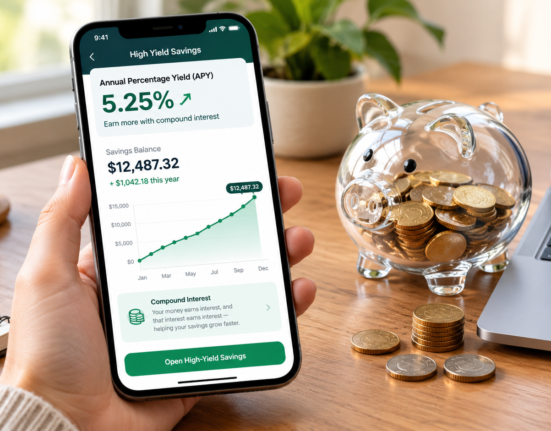
Before accelerating your debt payments, pause and build a mini emergency fund of 500 to 1,500 dollars. Keep this money in a separate high-yield savings account dedicated solely to true emergencies.
For a step-by-step guide to building a safety net on a tight budget, explore our guide on how to build an emergency fund.
Step 4: Lower Your Interest Rates
High interest rates act like friction on your financial progress. Lowering your rates ensures that more of your monthly payment goes toward reducing the principal balance rather than paying the bank.
1. Call Your Creditors Directly
If you have a history of on-time payments, call your credit card issuer and request an interest rate reduction. Mention competitor offers you have received in the mail. Lenders often lower APRs by 2 to 5 percentage points to keep your account active.
2. Utilize a 0% APR Balance Transfer Card
If you have good credit, consider transferring high-interest credit card debt to a balance transfer card offering 0% APR for an introductory period of 12 to 21 months. Pay close attention to balance transfer fees (typically 3% to 5%) and commit to paying off the balance before the promotional period ends.
3. Consider a Personal Consolidation Loan
Consolidating multiple high-interest credit card debts into a single personal loan with a fixed lower interest rate simplifies your monthly payments and locks in a clear payoff date.
Step 5: Trim Expenses and Boost Cash Flow
When working with an average salary, creating extra room in your budget usually requires a combination of spending cuts and temporary income boosts.
Free Up Cash from Your Monthly Expenses
-
Cancel Unused Subscriptions: Audit bank statements to remove unused streaming services, gym memberships, and digital apps.
-
Switch to Meal Planning: Cook meals in batches and stick to grocery lists to slash food delivery and restaurant costs.
-
Shop Auto Insurance Rates: Compare car insurance and utility providers annually to secure better rates.
Redirect Windfalls and Extra Earnings
Apply non-standard income straight toward your target debt balance:
-
Annual work bonuses and performance incentives
-
Tax refunds
-
Proceeds from selling unused household items online
-
Secondary earnings from weekend or evening side hustles
Learn how to structure your everyday spending with our beginner guide to budgeting. If you are looking to earn extra cash on weekends, review our curated list of high paying side hustles.
Step 6: Automate Payments and Track Progress
Relying purely on willpower for financial discipline leads to fatigue over time. Set up automatic payments through your bank account for all minimum due amounts to avoid late fees or missed payment penalties. Then, schedule a recurring automatic transfer for your extra debt payment right after payday.
Track your progress monthly using a spreadsheet, visual tracker, or budgeting app. Watching your total principal balance drop each month builds momentum and keeps you focused on your ultimate goal.
Want More Insights to Grow Your Digital Presence & Daily Productivity?
Whether you need to fix your website’s technical performance or build a smarter, burnout-free work routine, NewsUp To delivers practical guides to keep you ahead.





Leave feedback about this