

Albert Einstein famously referred to compound interest as the “eighth wonder of the world,” adding that those who understand it earn it, while those who do not pay it.
Whether you are saving money in a high-yield bank account, investing in index funds, or paying off credit card debt, compound interest plays a massive role in your financial journey. Understanding how it operates allows you to harness its power to build long-term wealth rather than letting it work against you.
Below is a complete, beginner-friendly guide explaining what compound interest is, how the math works in real life, and how you can use it to grow your savings.
1. Simple Interest vs. Compound Interest
To understand compound interest, it helps to first look at simple interest:
-
Simple Interest: Interest is calculated solely on your original principal amount. If you deposit $1,000 at a 5% simple annual interest rate, you earn $50 every year ($1,000 x 0.05). After 10 years, you earn a total of $500 in interest.
-
Compound Interest: Interest is calculated on your original principal plus any interest previously added to the account. In year one, a $1,000 deposit at 5% earns $50. In year two, you earn 5% on $1,050, yielding $52.50. Over long horizons, this compounding effect creates exponential balance growth.
2. The Core Components of Compound Interest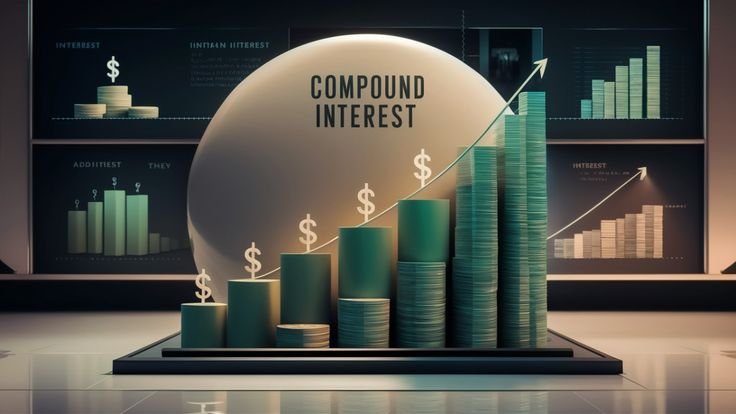
Four primary factors determine how fast your money grows through compounding:
-
Principal: The initial amount of money you invest or deposit.
-
Interest Rate: the percentage yield earned on your money over a specific period.
-
Compounding Frequency: How often interest is calculated and added back to your balance (daily, monthly, quarterly, or annually). The more frequently interest compounds, the faster your money grows.
-
Time Horizon: The total length of time your money remains invested. Time is the most critical ingredient in compounding.
Before investing larger sums to capture compound growth, ensure you have basic living expenses covered by reviewing our guide on how to make a budget for beginners.
3. A Real-World Example of Compound Growth
Consider two friends, Alex and Jordan, who each want to build a retirement nest egg using an average annual return of 7%:
-
Alex starts early at age 22: Alex invests $200 per month for 10 years and then stops completely at age 32, leaving the accumulated balance invested without adding another dollar.
-
Jordan starts late at age 32: Jordan waits ten years, then invests $200 per month continuously for 33 years until retirement at age 65.
By age 65, Alex invested a total of $24,000 out-of-pocket, while Jordan invested $79,200. Yet, because Alex allowed the money to compound undisturbed for an extra ten years, Alex finishes with a larger final portfolio than Jordan despite contributing less than a third of the money.
4. How Compounding Works Against You in Debt
Compounding is a double-edged sword. While it works wonders when saving or investing, it operates the exact same way on debt balances.
Credit card companies charge compound interest on unpaid balances, often compounded daily. If you carry a balance, you pay interest on your original purchases as well as on the unpaid interest charges from previous months.
Learning the difference between high-cost credit balances and productive loans in our good debt vs bad debt explanation helps prevent compound interest from working against your financial goals.
5. Practical Steps to Maximize Compound Interest
If you want to make compound interest work effectively for your financial future, follow these basic habits:
-
Start as Early as Possible: Time amplifies compounding. Even small amounts invested early outweigh larger amounts invested later in life.
-
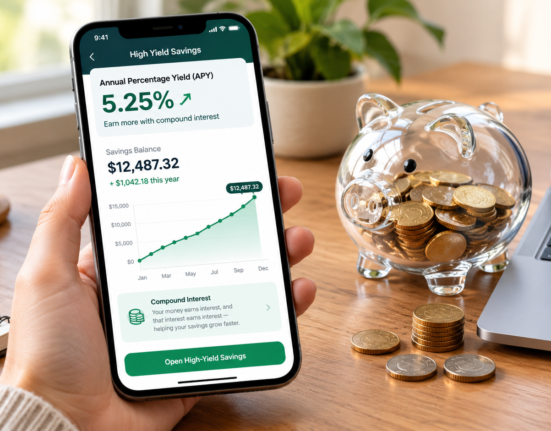
Maintain Consistency: Set up automated monthly transfers into high-yield savings accounts or low-cost index funds.
-
Reinvest Earnings: Keep dividends, interest, and investment gains inside your accounts so they can continue generating secondary returns.
-
Keep High-Yield Cash Safe: Keep short-term compounding funds secure by learning how to build an emergency fund in a dedicated high-yield savings account (HYSA).
Want More Insights to Grow Your Digital Presence & Daily Productivity?
Whether you need to fix your website’s technical performance or build a smarter, burnout-free work routine, NewsUpTo delivers practical guides to keep you ahead.





Leave feedback about this